Report dates · ·
Released
Project Callisto
A deep exploration into Cold Fusion
In March 1989, Martin Fleischmann and Stanley Pons announced that they had measured anomalous heat production in a heavy-water electrolysis cell with a palladium cathode. They attributed the heat to a nuclear process occurring near room temperature. The claim, soon called “cold fusion,” suggested a clean and effectively abundant source of energy.
The announcement triggered replication attempts around the world. Though some researchers claimed to observe the phenomenon, the central thesis was not independently established and the subject moved outside the scientific mainstream. A smaller community continued to report possible effects, but with vexing and inconsistent results.
In 2015, Project Callisto began a sustained effort to determine whether this anomalous heat effect (AHE) was a real, measurable phenomenon. More than 100 scientists, engineers, technicians, machinists, and operations professionals contributed through the program’s closure in 2024. The mission was to identify any credible signal of AHE under any conditions.
This page summarizes our experimental work and findings. The full technical reports are available below.
No evidence of AHE or cold fusion was detected.
We searched a wide swath of the loading, stimulation, and material parameter space associated with LENR. Although we didn't test every possible corner of the parameter space, we consider our null result definitive in the spaces we did search.
We found no evidence for any variety of cold fusion phenomenon. Furthermore, we found prosaic (non-nuclear) explanations for most prior reports of "excess heat" in electrochemical cells.
Program scope
Callisto had two lines of inquiry: classic electrochemical replication and an ultrapressure gas-phase exploration campaign.
Electrochemical loading
The initial claim of AHE was in the context of an electrochemical cell. We started this part of the mission as a replication effort: published AHE experiments were reproduced as faithfully as practical, then varied systematically across cell construction, electrolyte composition, palladium preparation, current history, materials history, deuterium loading, and calorimetry.
Ultrapressure gas loading
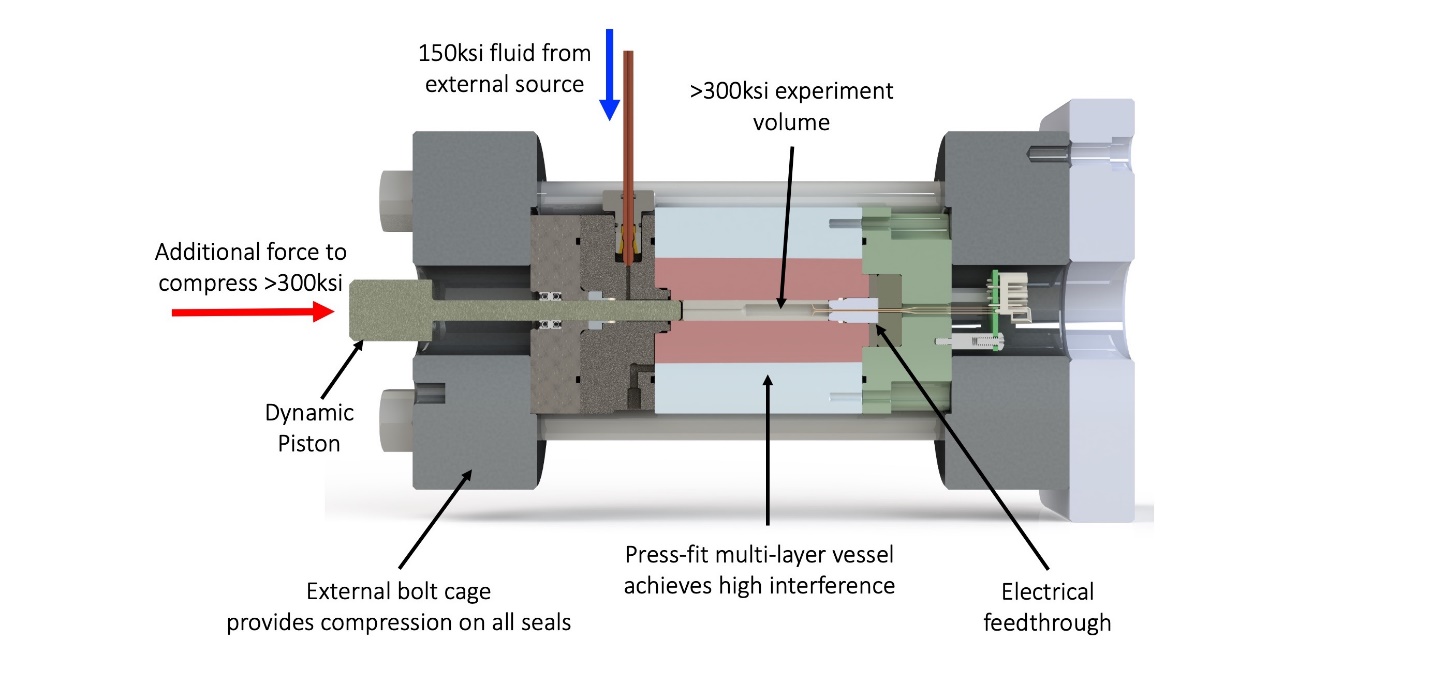
Alternatively, metal hydrides can be heavily loaded using pressurized gas. Achieving the extreme pressures needed for meaningful experimental loading requires equipment far beyond standard industrial or research capabilities. Callisto had the resources to develop custom machinery capable of fully loading deuterium into palladium, sustaining clean, stable conditions from cryogenic temperatures to the melting point at pressures up to 500 ksi.
Experimental record
Forty-plus attempts did not reproduce the 1989 cold-fusion result
Callisto performed more than 40 formal and modified replications of the Fleischmann–Pons experiments, including prolonged electrolysis, cutting-fluid additives, oxygen bubbling, and high-input-power operation. Electrolyte levels and calorimeter thermal stability were more tightly controlled, although missing details in the original publications prevented an exact reconstruction of the 1989 experiments.
No excess heat was observed.


Full deuterium loading was achieved and measured in macroscopic pressure systems
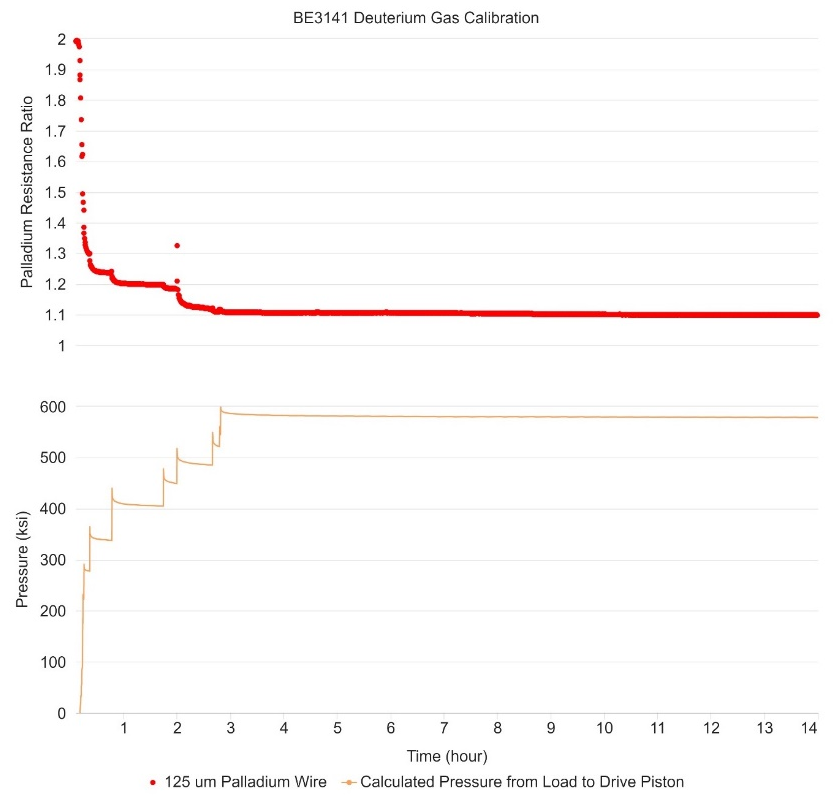
High fractional loadings (above 90%) are theorized to be necessary for AHE. To fully exhaust the loading hypothesis, we needed to confirm stoichiometric, or 100%, loading. Reaching high loadings with gas requires extremely large pressures: a deuterium pressure of 70 ksi achieves approximately 90% loading, while increasing this to 95% requires almost twice as high a pressure, 135 ksi. At room temperature, approximately 400 ksi was not enough for full PdD loading; pressures above 450 ksi were needed. We built pressure systems capable of operating above this threshold so we could study fully loaded palladium.
Callisto made 150,000 psi a routine experimental environment and developed advanced cells reaching 600,000 psi. These were macroscopic pressure systems rather than diamond-anvil cells: they provided working volumes for samples, stimulation equipment, and diagnostics.
Carefully characterizing a sample’s loading level is essential to investigate AHE. We developed two direct loading-measurement techniques, UltraSorb and MicroSorb, as well as indirect calibrated measurements based on strain, resistance, and reflectance.
Full loading was reached through cryogenic experiments at 150 ksi and −100 °C. Room-temperature gas loading required pressures above approximately 450 ksi, which were maintained for extended durations.
No excess heat was observed.
The leading post-1989 LENR claims did not reproduce either
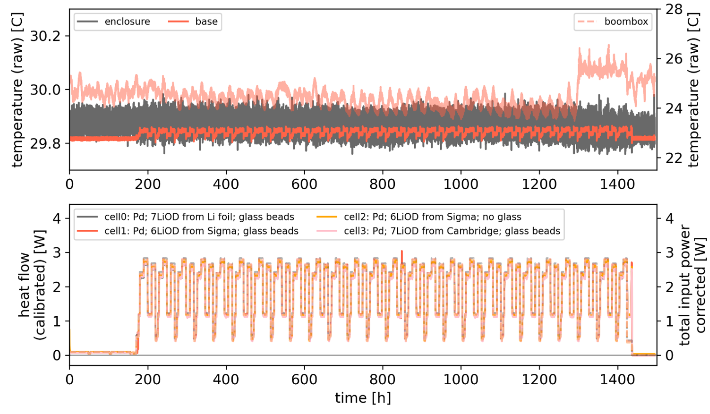
Callisto tested later claims by McKubre, Staker, Hubler, Storms, Miles, Boss, Barham, Energetics, and Letts. Some experiments were replicated exactly, down to sourcing vintage components based on correspondence with the original scientists. In other cases, critical elements were replicated, but existing infrastructure, such as sample holders and calorimeters, was used.
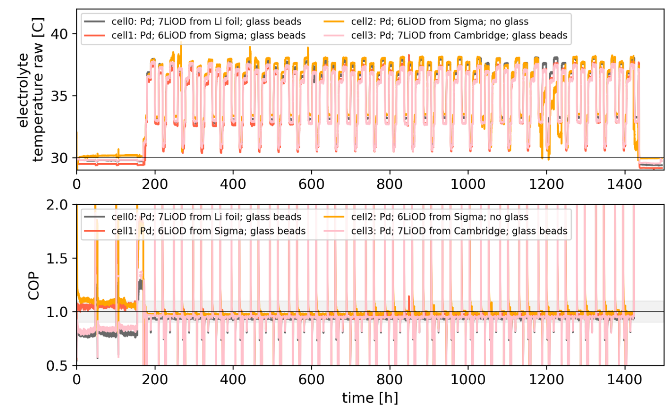
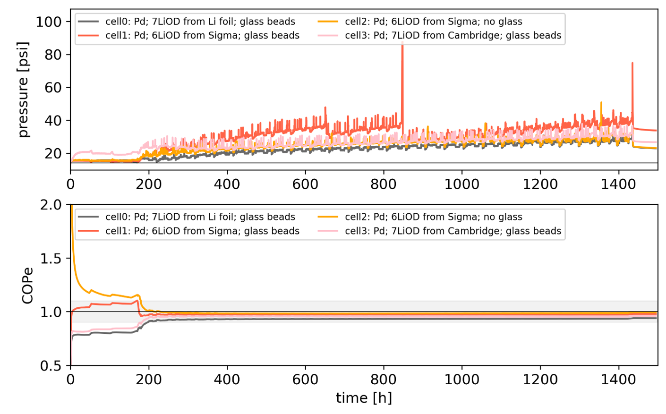
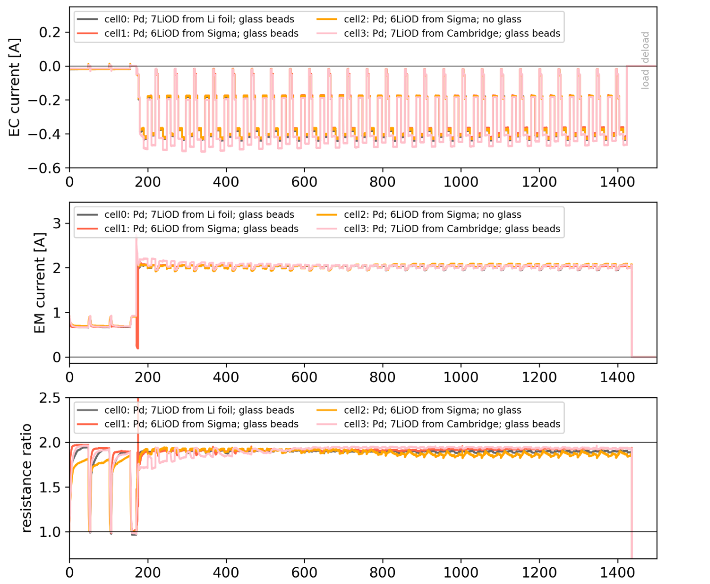
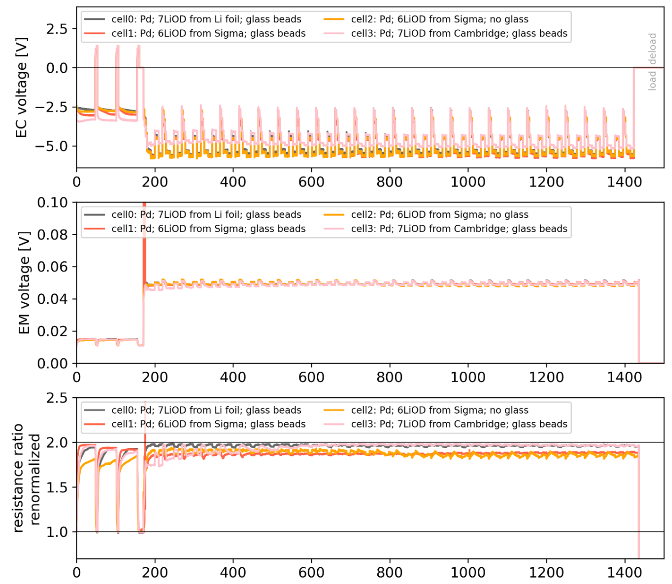
In a 60-day Staker-like experiment, palladium loading remained above 80% for nearly all cells throughout the experiment. The steady-state ratio of measured heat output to electrical input remained near one. Apparent excess-heat excursions were explained by energy accounting and chemical recombination, not nuclear reactions.
No excess heat was observed.
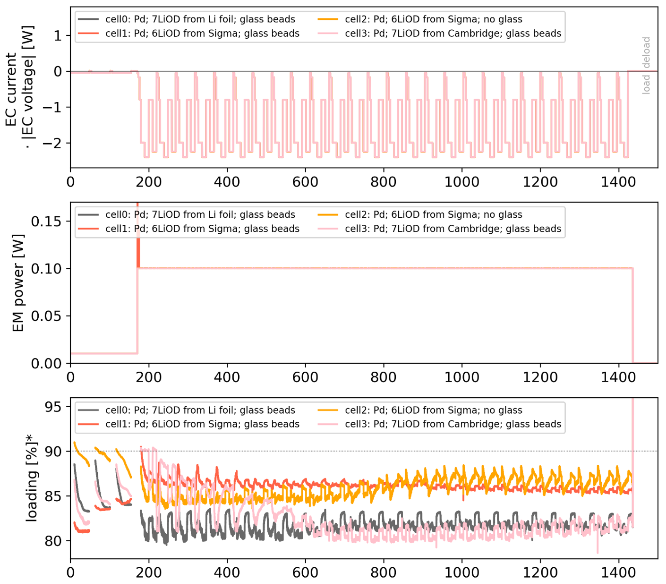
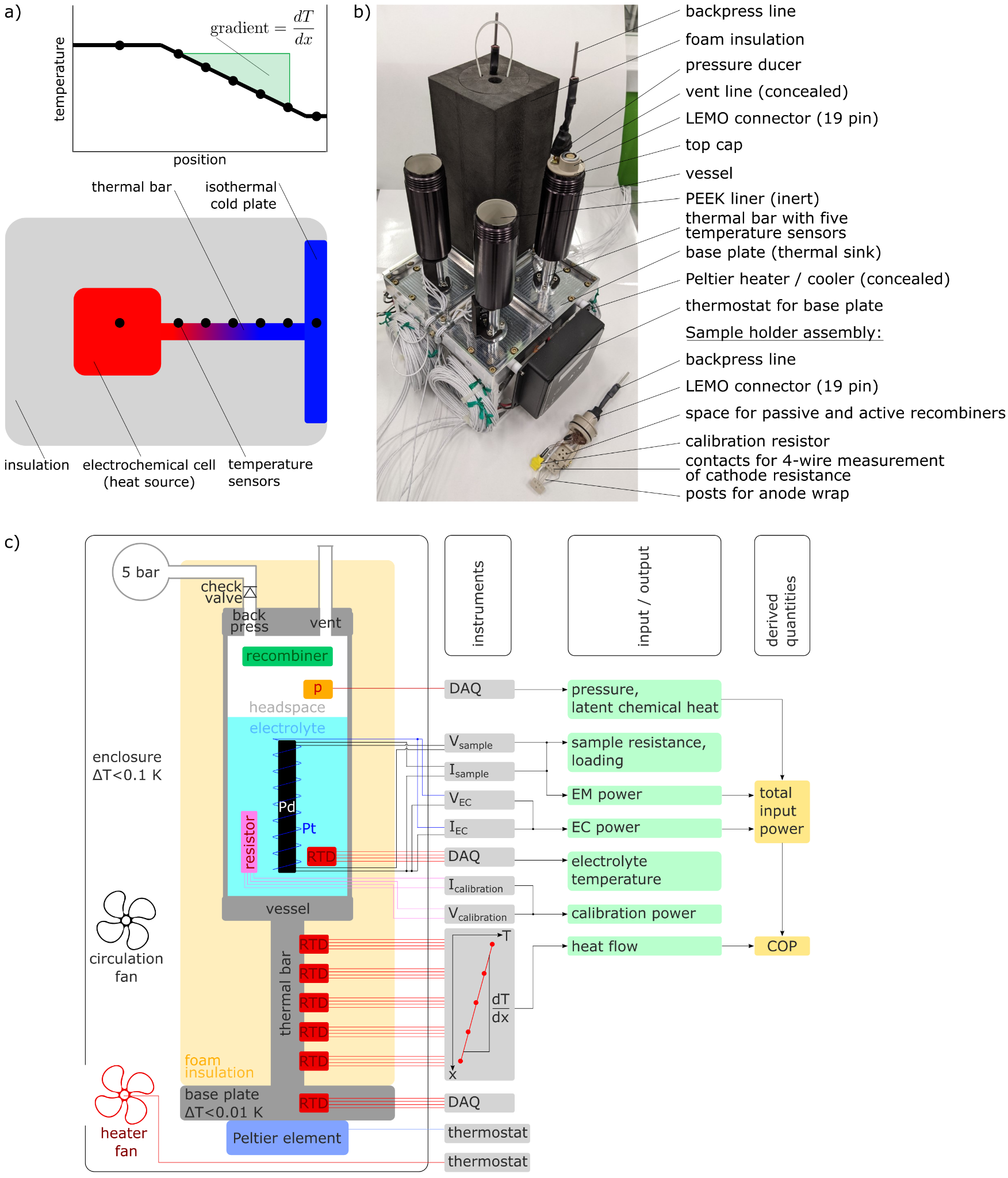
Precision calorimetry found no excess heat at ultrapressure, from −150 °C to 200 °C
Callisto measured heat released or absorbed by gas-loaded palladium using differential calorimeters, comparing deuterium-loaded samples with hydrogen-loaded controls. Samples ranged from nanoparticles to bulk foils. Across the gas-calorimetry campaign, deuterium pressures reached 150,000 psi and temperatures ranged from −150 °C to 200 °C. Loadings up to unity were achieved, and the calorimeter system was monitored at equilibrium for 3–14 days in each experiment.
In a separate cryogenic experiment, gas-loaded palladium was held at 130,000 psi and −100 °C while differential calorimetry monitored its heat flow.
No excess heat was observed.


More than 200,000 sample-hours of calorimetry found no excess heat
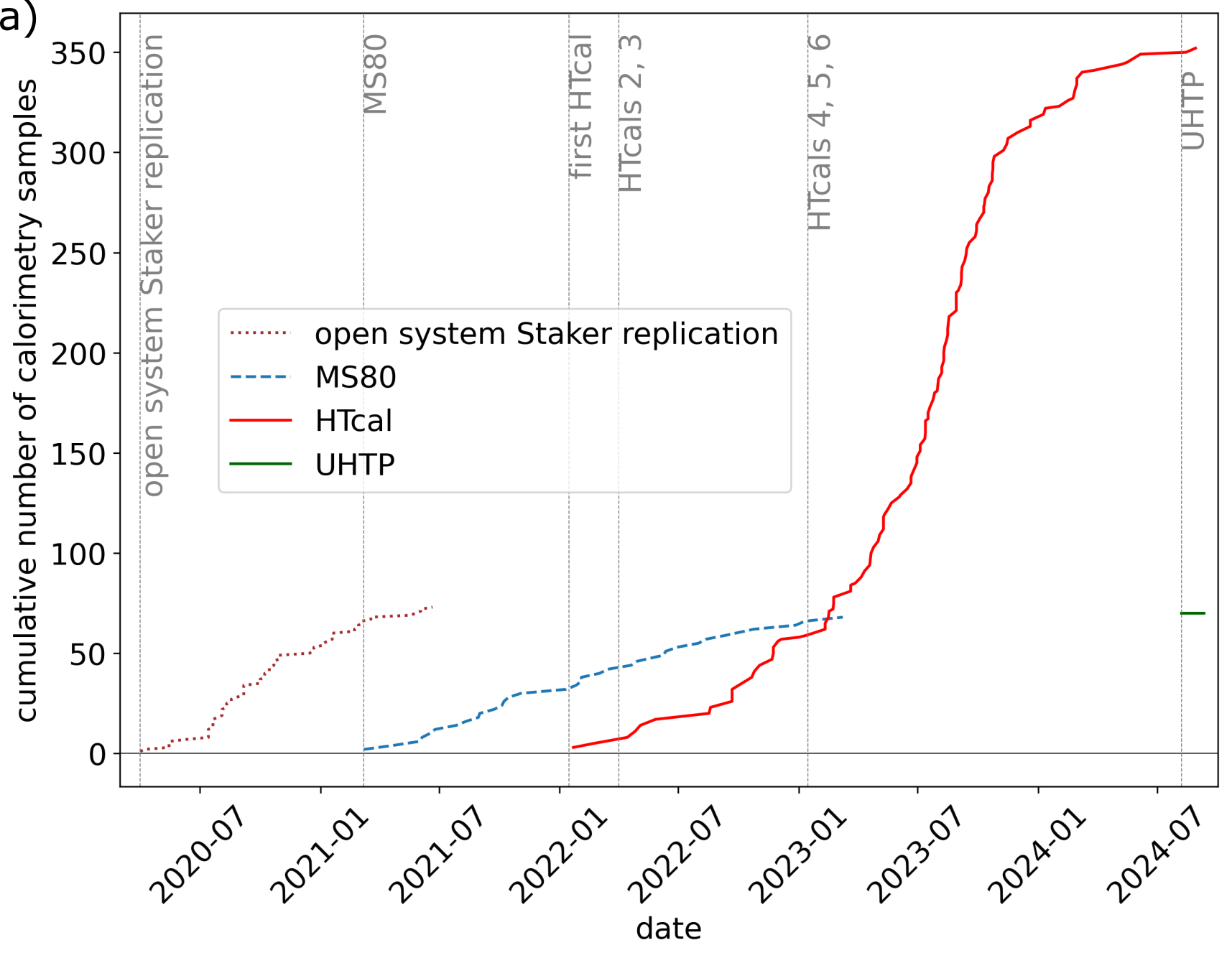
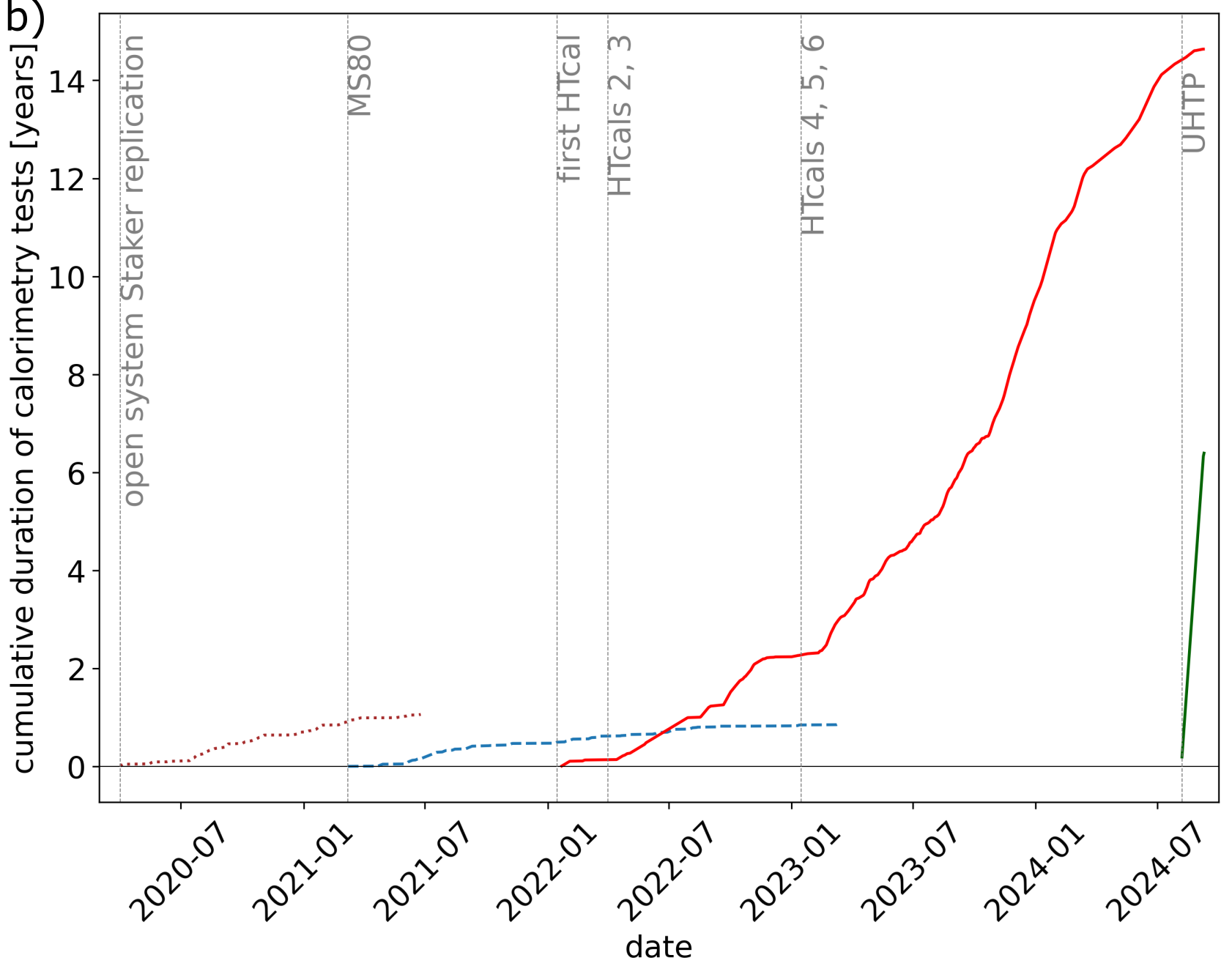
One possible explanation for unsuccessful experiments was that anomalous heat occurred only rarely. To explore this possibility, Callisto developed a system of 100 electrochemical cells with in-situ calorimetry running in parallel. Its first long-duration campaign ran 80 cells for 50 days, accumulating approximately 11 cell-years of calorimetry in a single experiment.
Across the electrochemistry program, we investigated more than 500 samples and performed more than 200,000 sample-hours of calorimetry. Alongside replications, we designed new experiments to test proposed requirements for AHE: higher loading, different temperatures, surface coatings, additives, electrical and mechanical stimulation, single crystals, and palladium alloys.
No excess heat was observed.
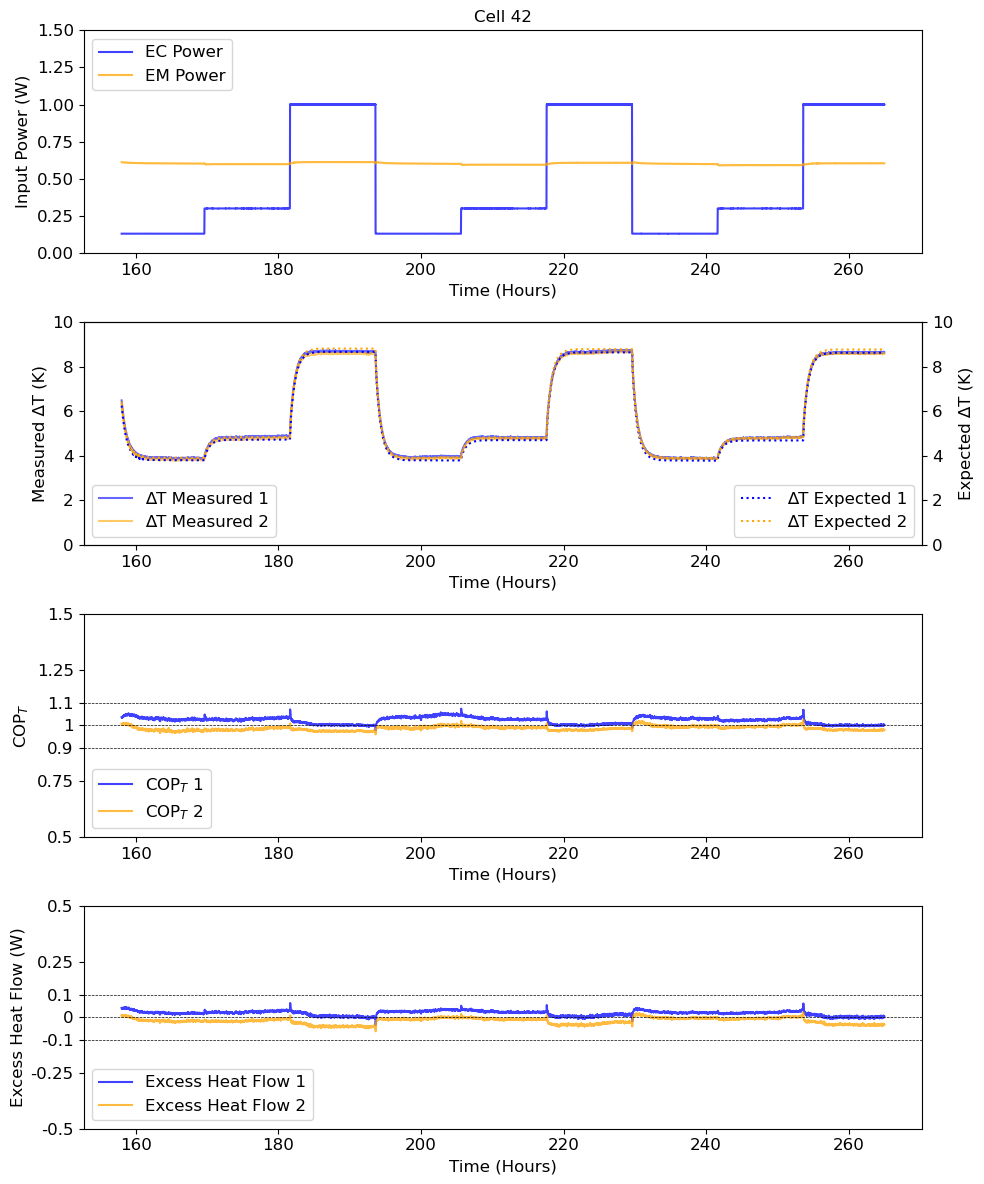
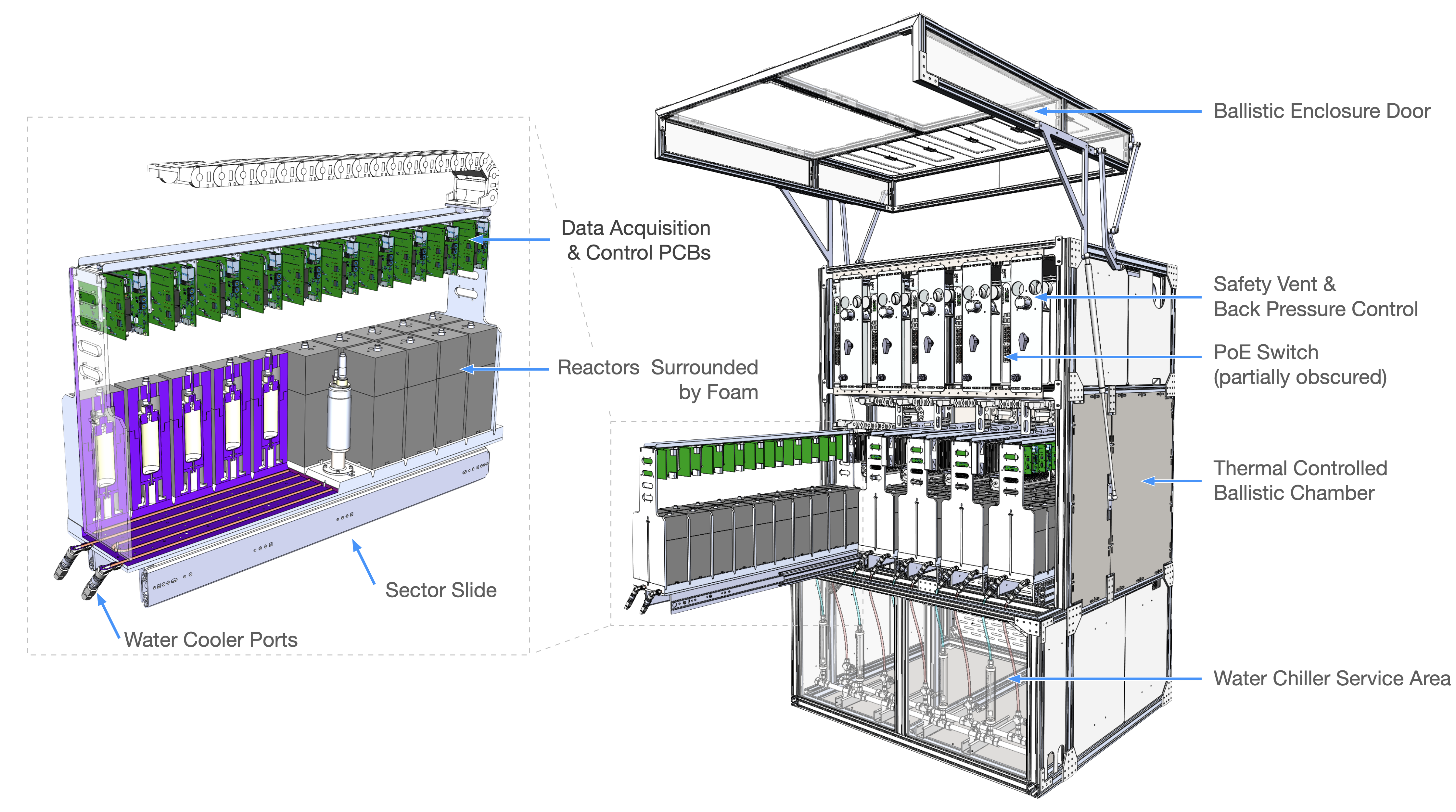
Thermal, laser, terahertz, and electric-field stimulation produced no evidence of AHE
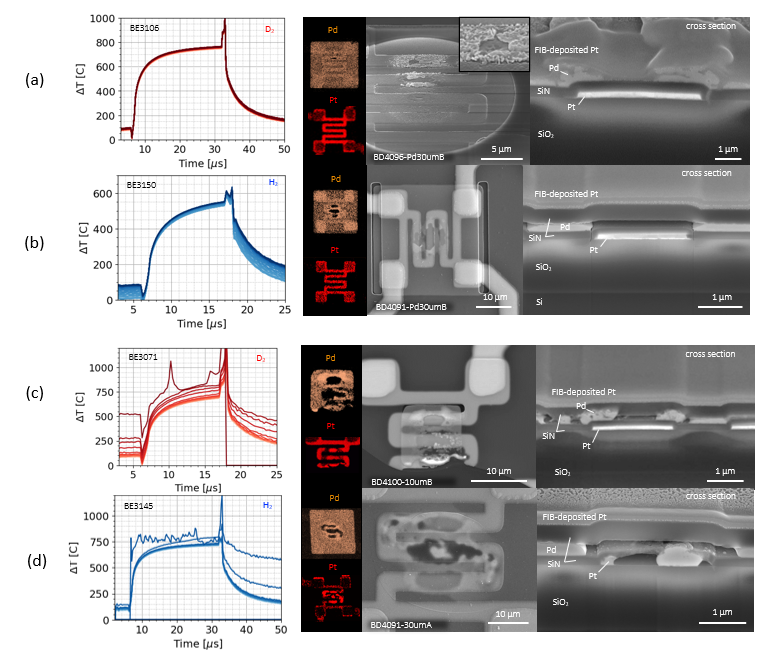
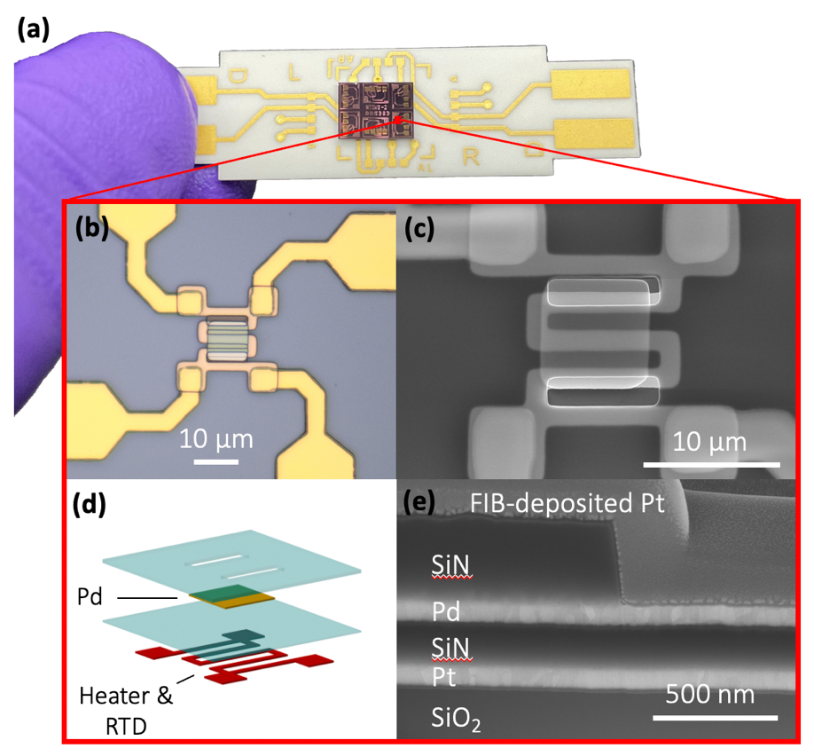
Callisto tested whether added energy could initiate LENR in highly loaded palladium. We heated samples to melting, applied laser pulses on the fS timescale—faster than atomic motion—and tested intense electric fields. Microfabricated devices combined stimulation and temperature sensing on the same chip; the NanoTI campaign collected data from more than 448 devices over more than 1.5 million pulses, including tests above 450,000 psi.
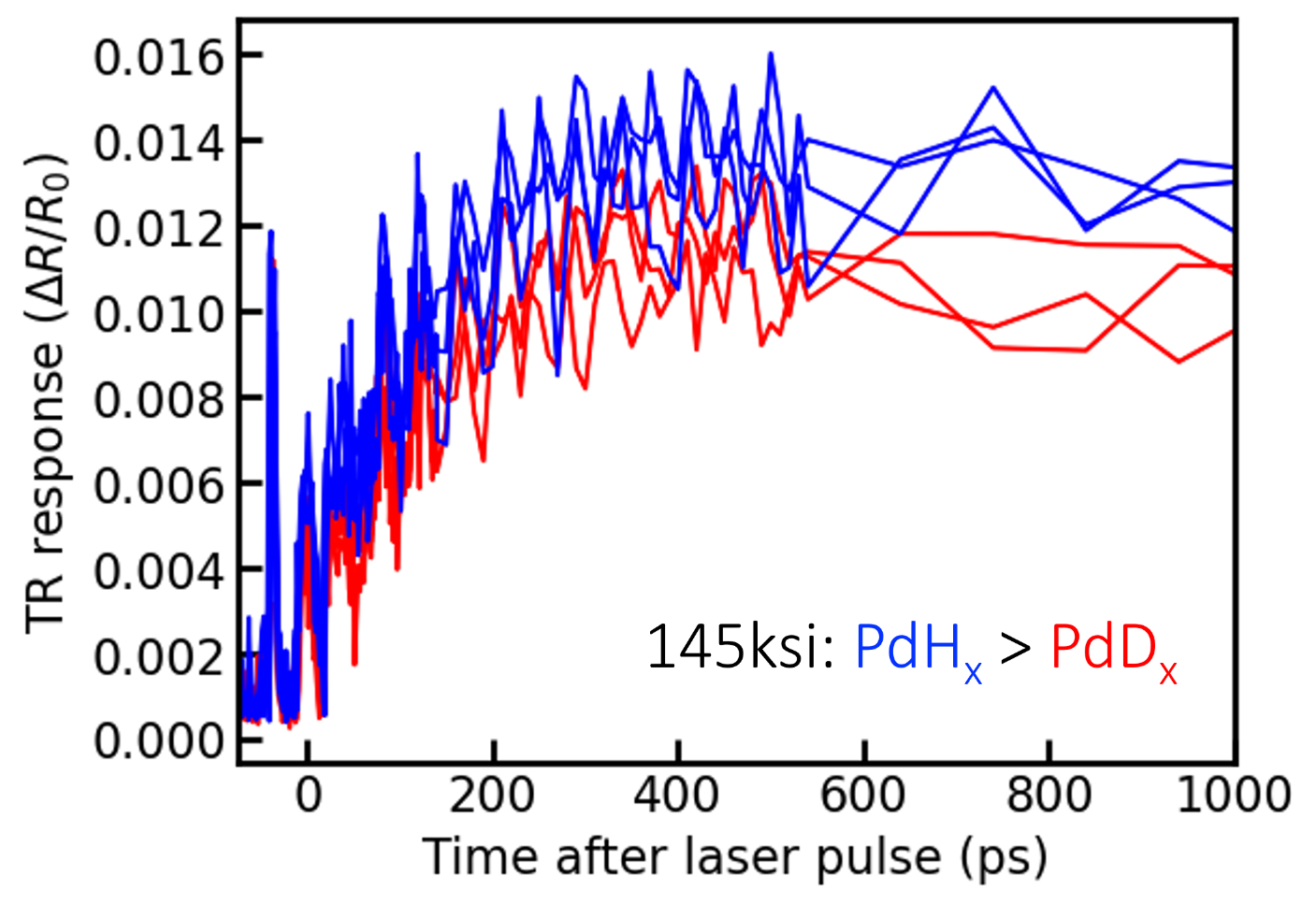
In the laser experiment shown here, one pulse stimulated palladium while a second pulse measured the thermal response of an adjacent gold layer. At 145,000 psi, this measurement showed that an apparent difference between hydrogen- and deuterium-loaded palladium came from their different optical responses, not anomalous heat.
We also developed intense terahertz pulses and microscopic resonators to try to drive vibrations of deuterium within the palladium lattice. Metallic screening prevented useful coupling to the intended vibrations, limiting what this approach could test.
No excess heat was observed.
Searches for even a single reaction event found no evidence of AHE
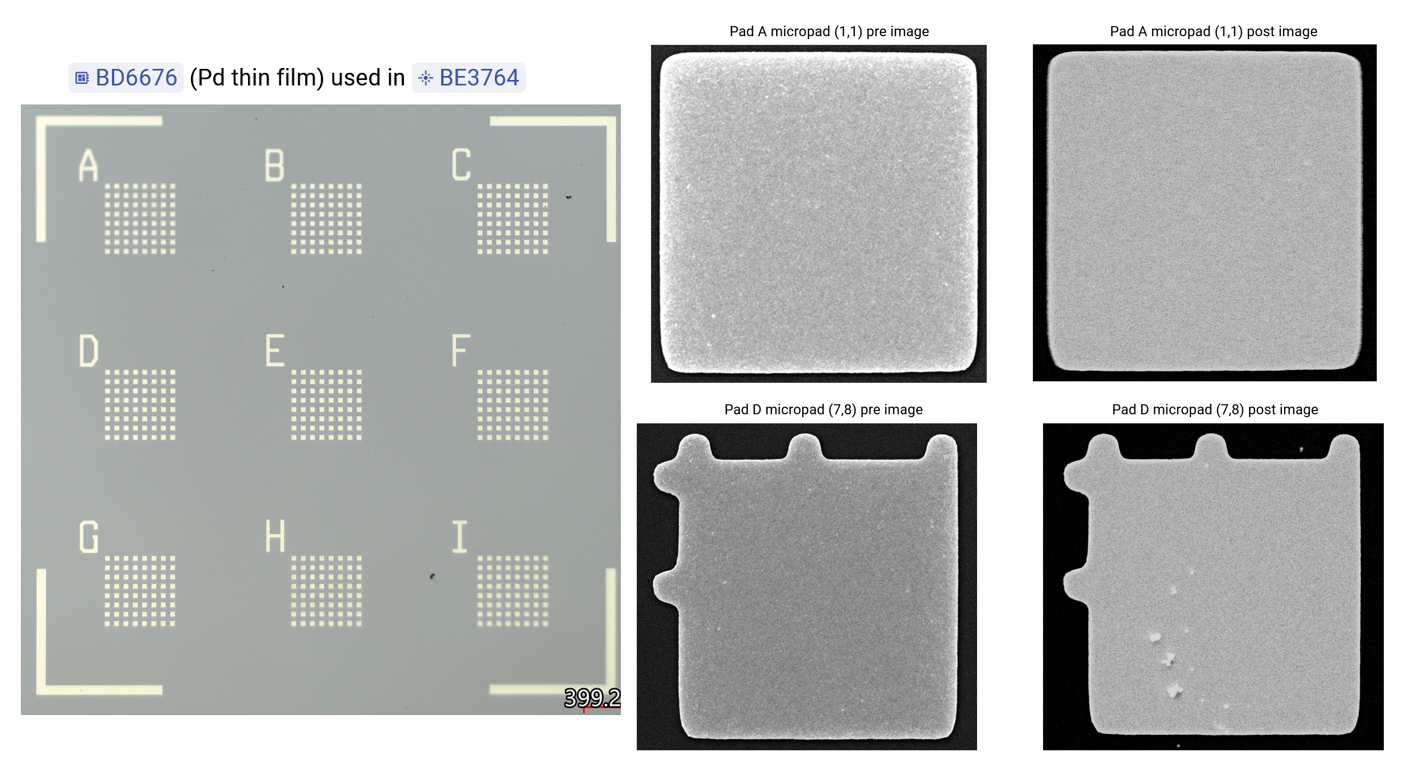
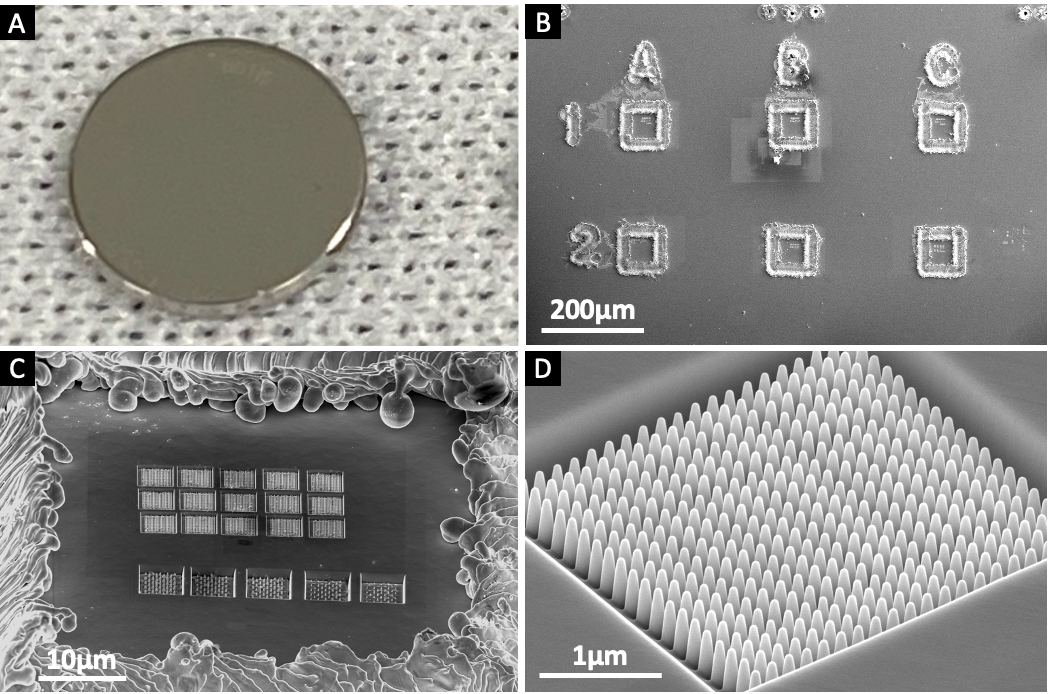
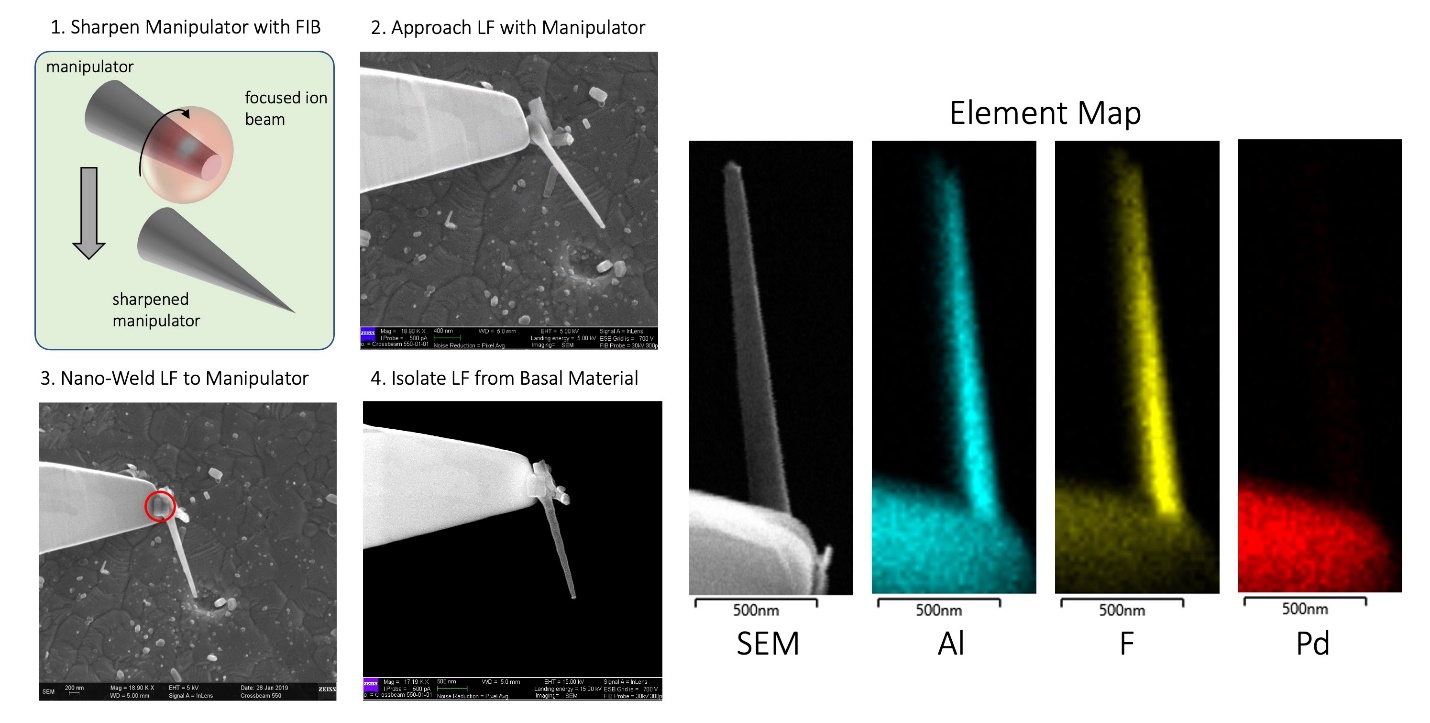
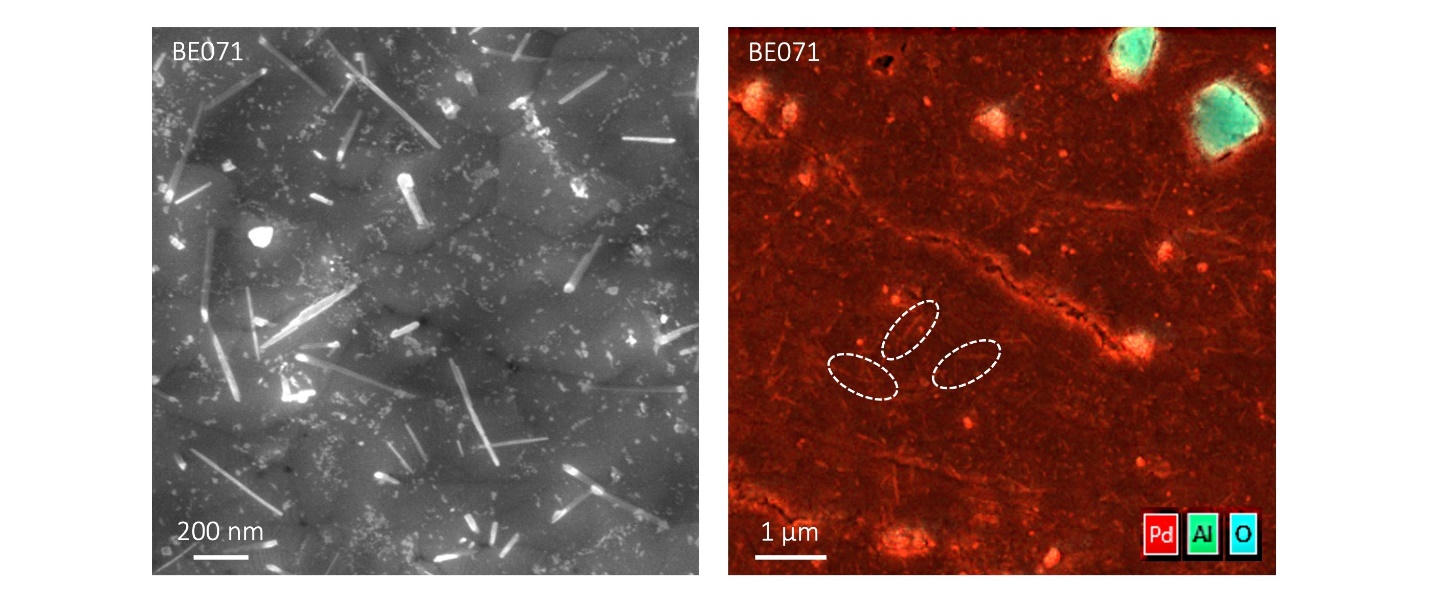
Callisto developed detectors intended to record even a single LENR event. Palladium films were made thin enough that the energy from a hypothesized reaction would leave a permanent hole, visible in electron microscopy. Comparing the same areas before and after an experiment allowed us to distinguish new damage from pre-existing defects and contamination.
We used these detectors across experiments involving laser stimulation, intense electric fields, high temperatures, cryogenic conditions, and pressure-assisted electrochemical loading. Early nanopillar arrays were vulnerable to debris and handling damage, so we developed more robust nanofilms that made new features easier to identify and investigate. Across these tests, no features attributable to LENR were found.
Other experiments searched for brief infrared hot spots, persistent changes in magnetic sensors, acoustic impulses, and nuclear radiation. None established evidence of LENR; some detection methods remained under development when the program ended.
No excess heat was observed.
None of the apparent anomalies established evidence of AHE
Callisto repeatedly observed signals that initially looked like excess heat. In the electrochemistry program, every apparent excess-heat event was traced to a conventional explanation. Causes included errors in electrical-power accounting, changing calorimeter response, the different reaction entropies of hydriding and hydrogen evolution, faulty sensors, and stored chemical energy released when hydrogen and oxygen recombined.
The pressure program traced apparent anomalies to differences in gas cooling and optical response, temperature-measurement errors, contamination, and damage from laser stimulation or sample handling. Hydrogen controls, independent measurements, and before-and-after microscopy helped distinguish these effects from evidence of LENR.
A small number of nonrepeating observations in the pressure program remained unresolved. They did not establish LENR. The reports distinguish these observations from effects for which a cause was demonstrated.
No excess heat was observed.
Callisto organization and facilities
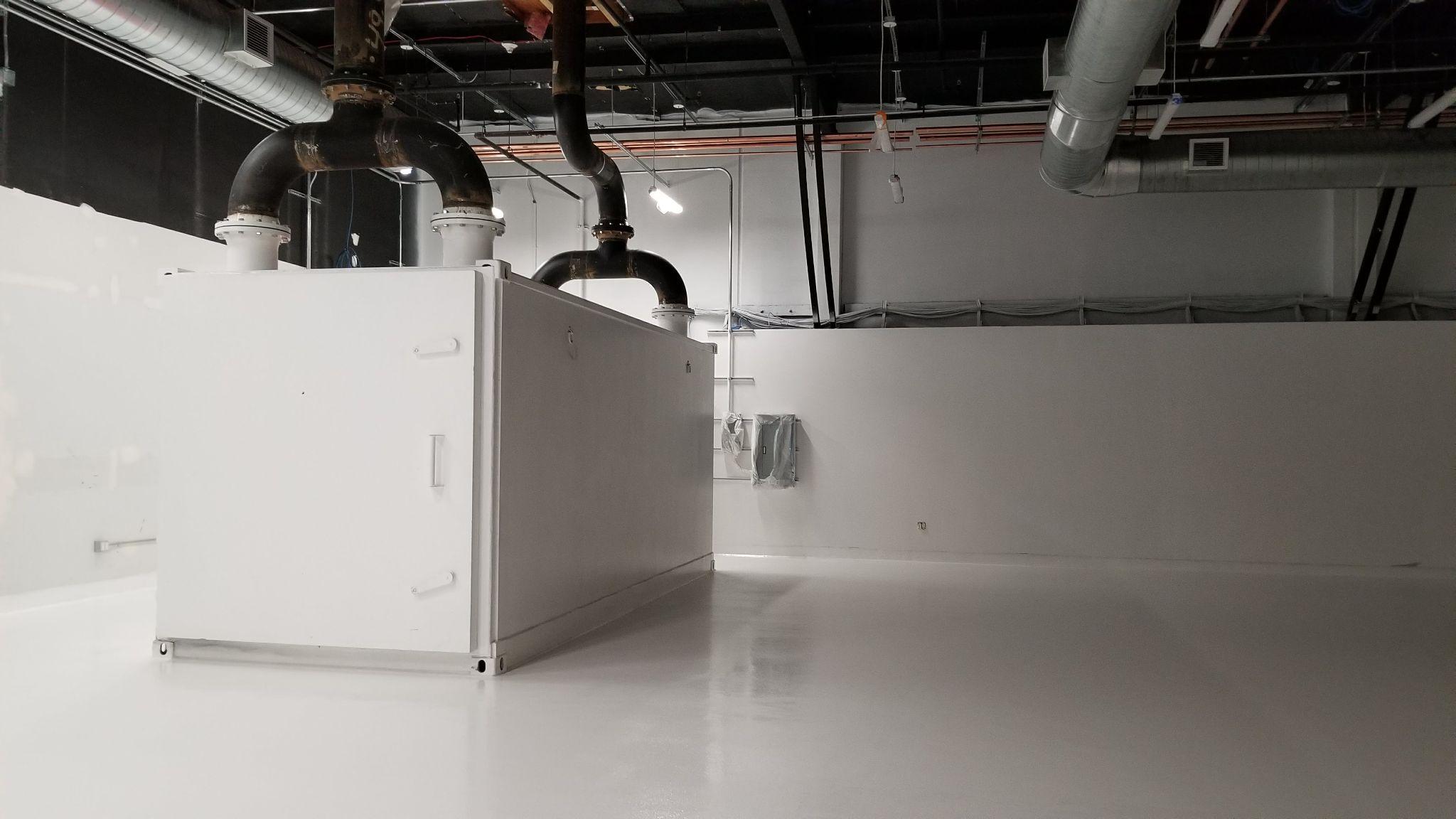
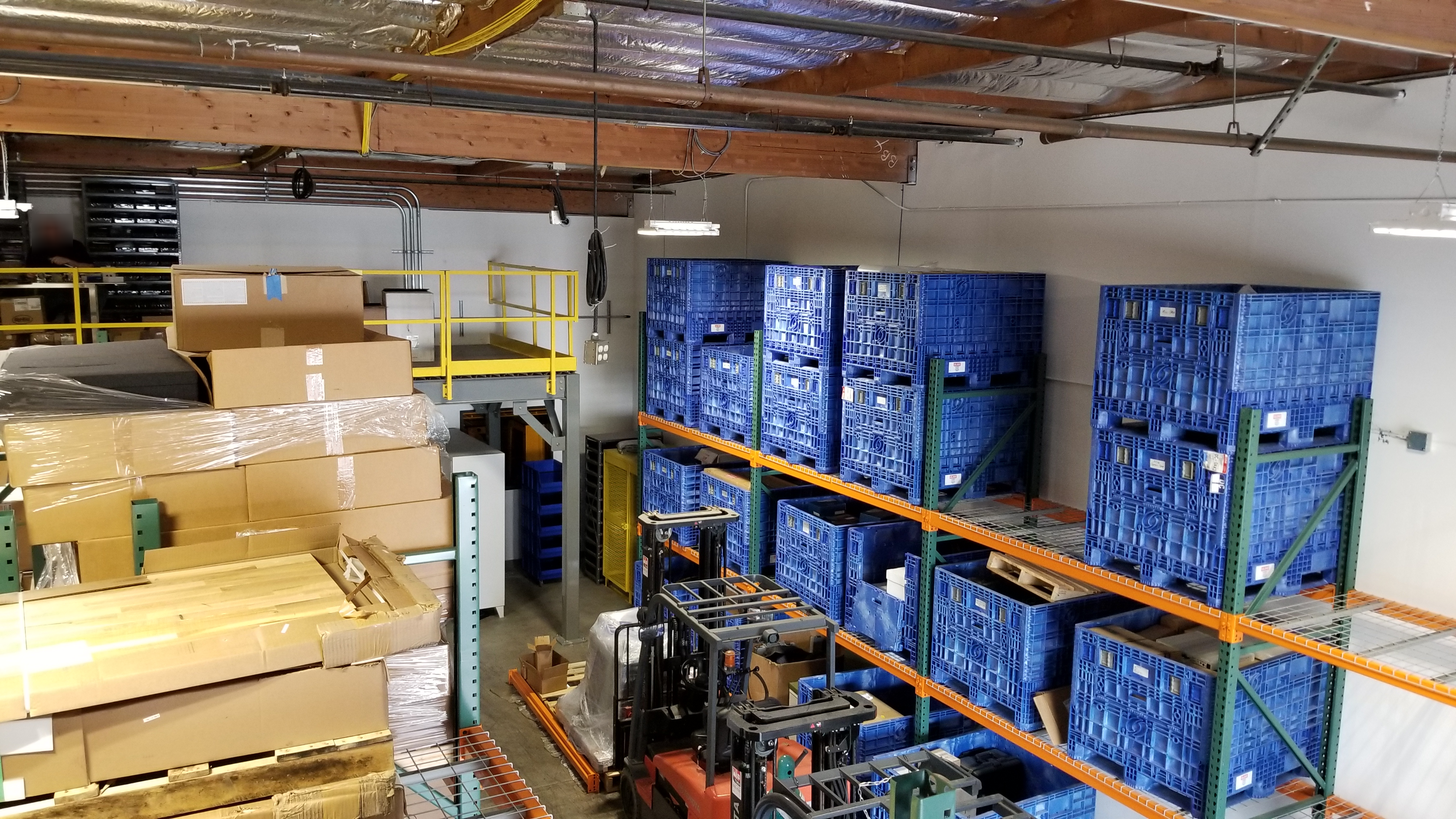
To maintain the required experimental pace, Callisto was organized like a deep-tech hardware startup. Scientists, engineers, operations personnel, and manufacturing staff worked closely together on a single campus. Safety and secrecy were paramount. Total research and prototyping space grew to over 45,000 square feet.
Pressure systems
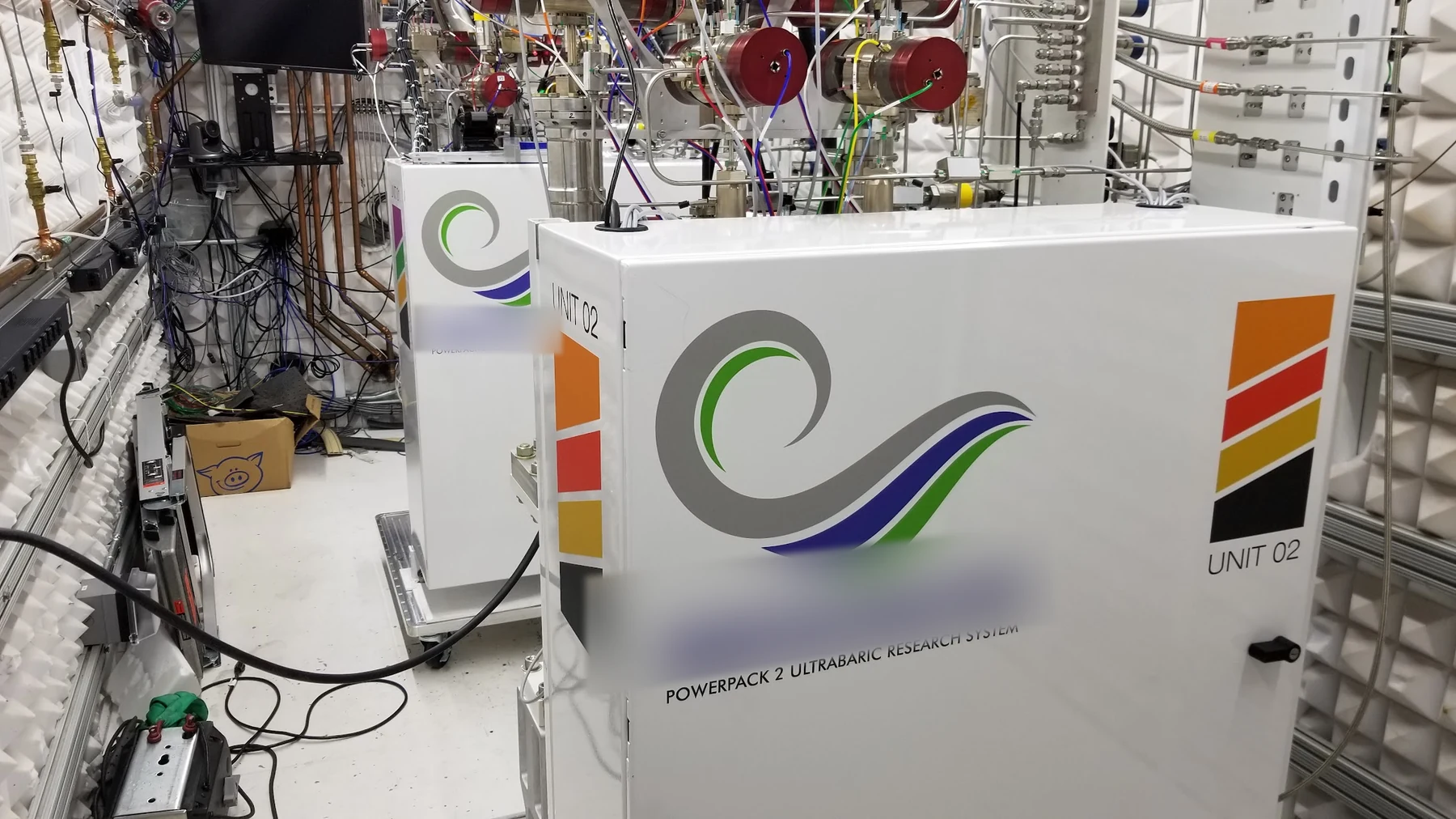
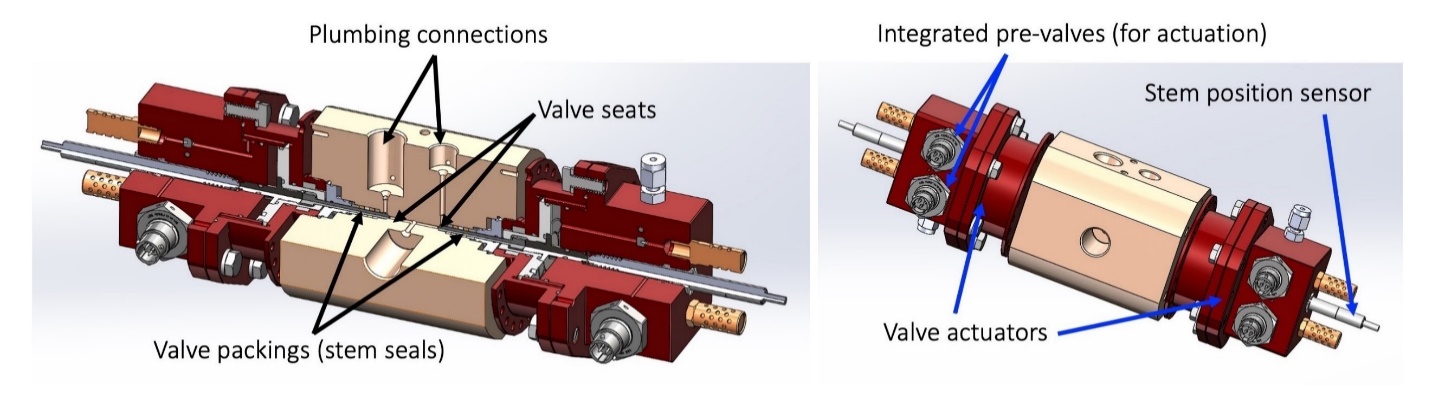
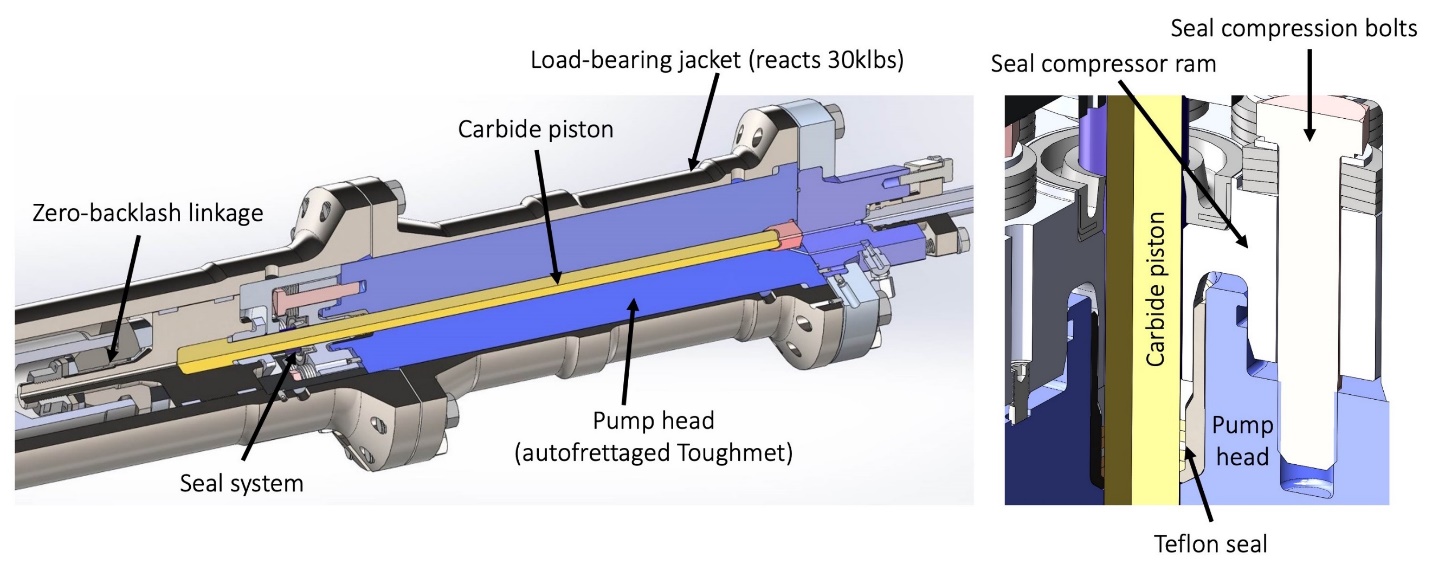
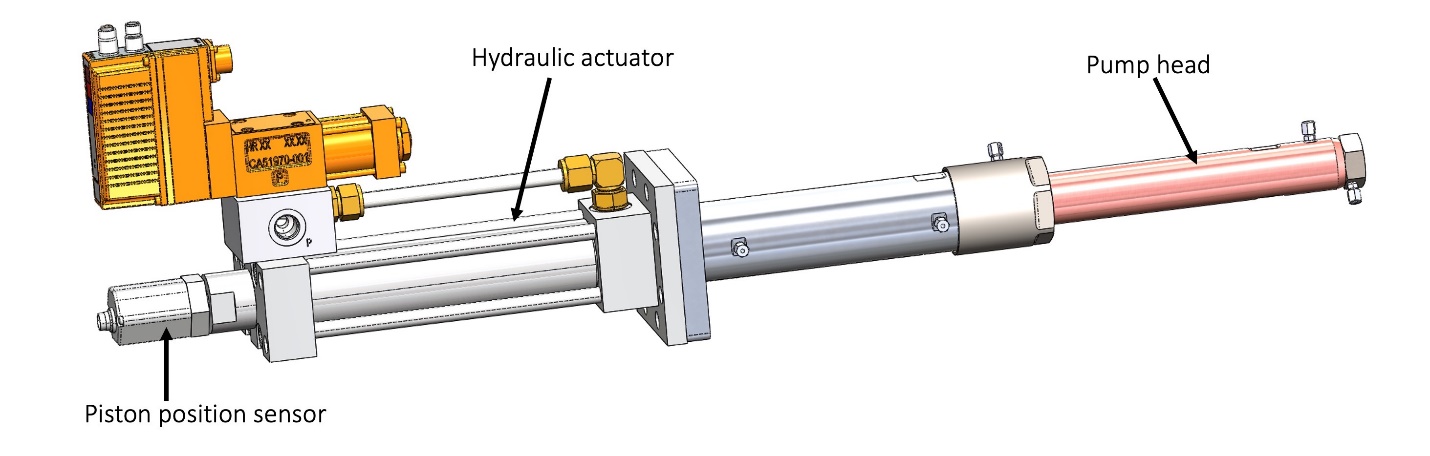
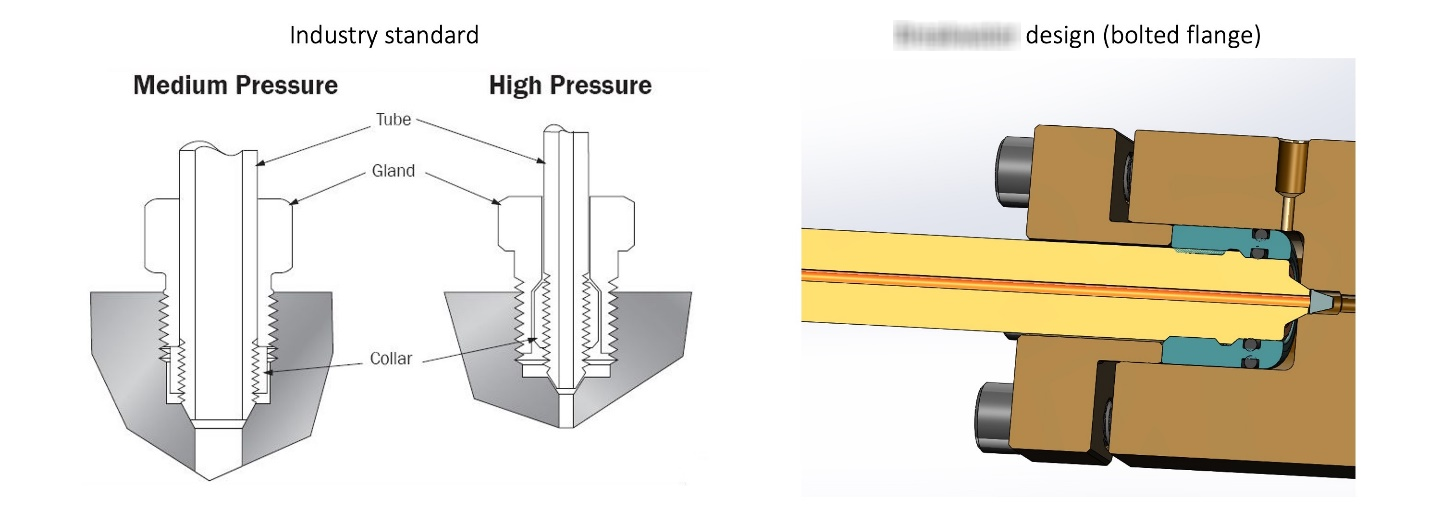
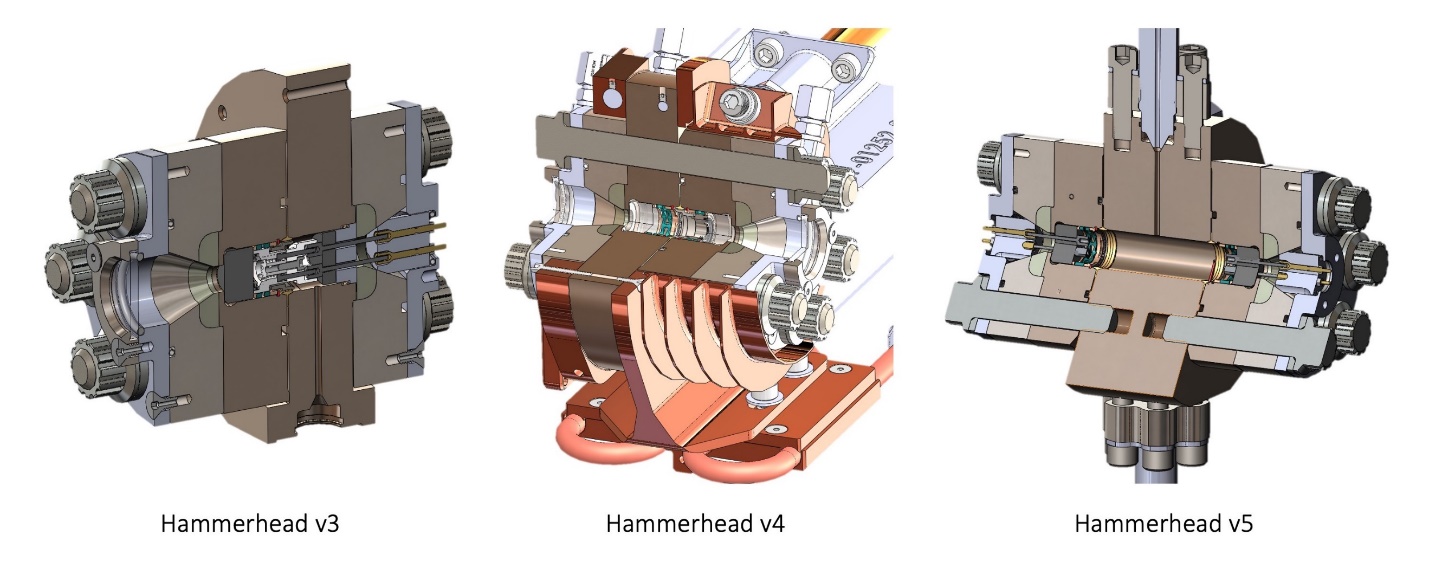
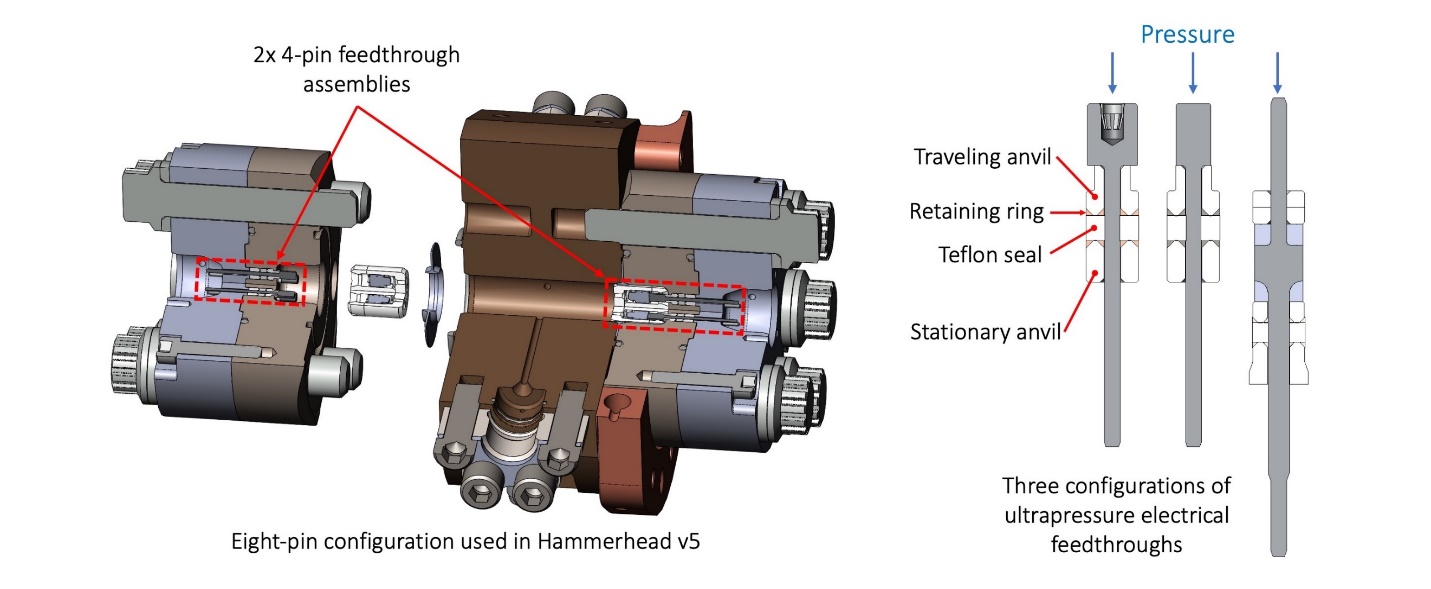
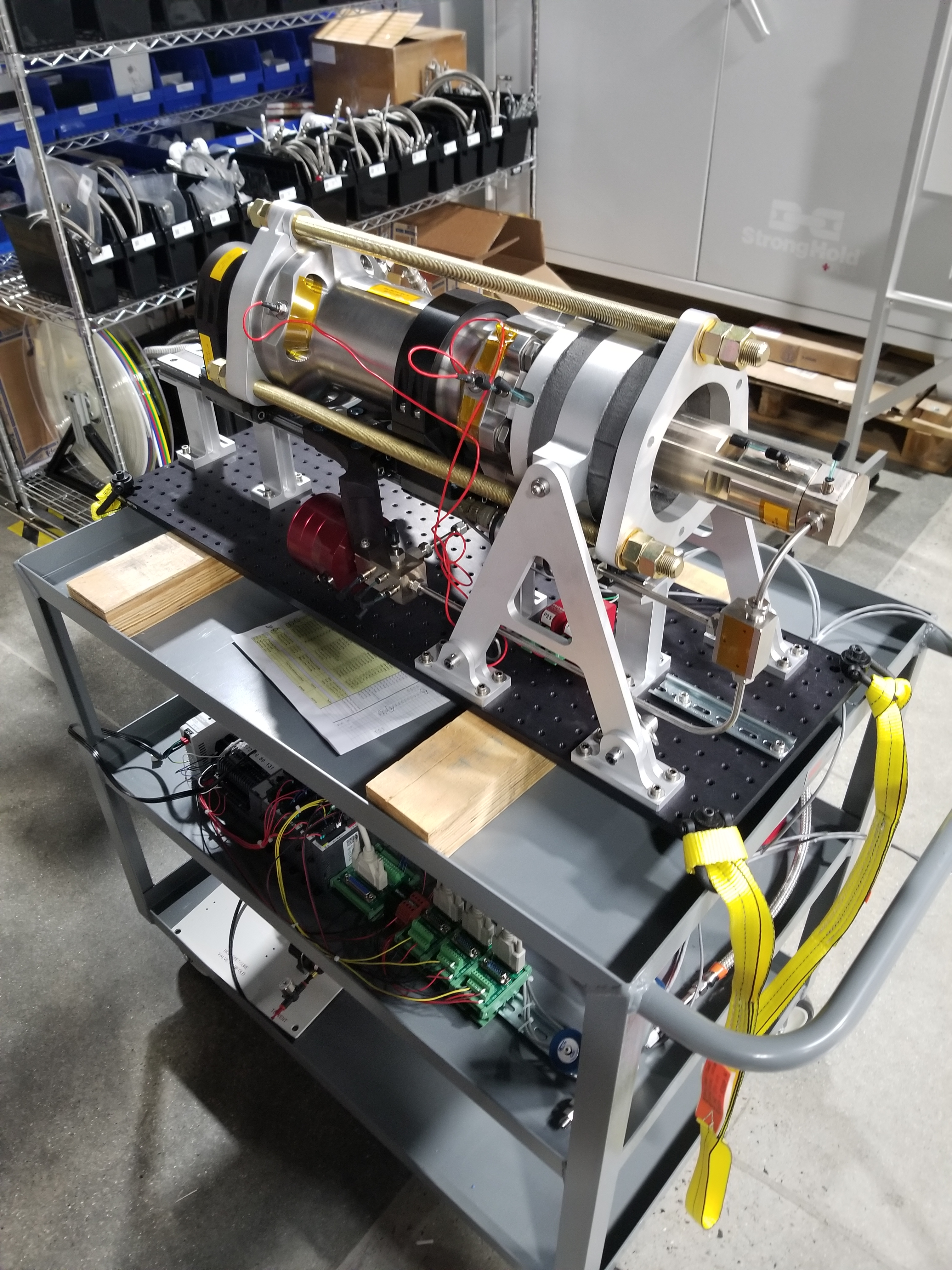
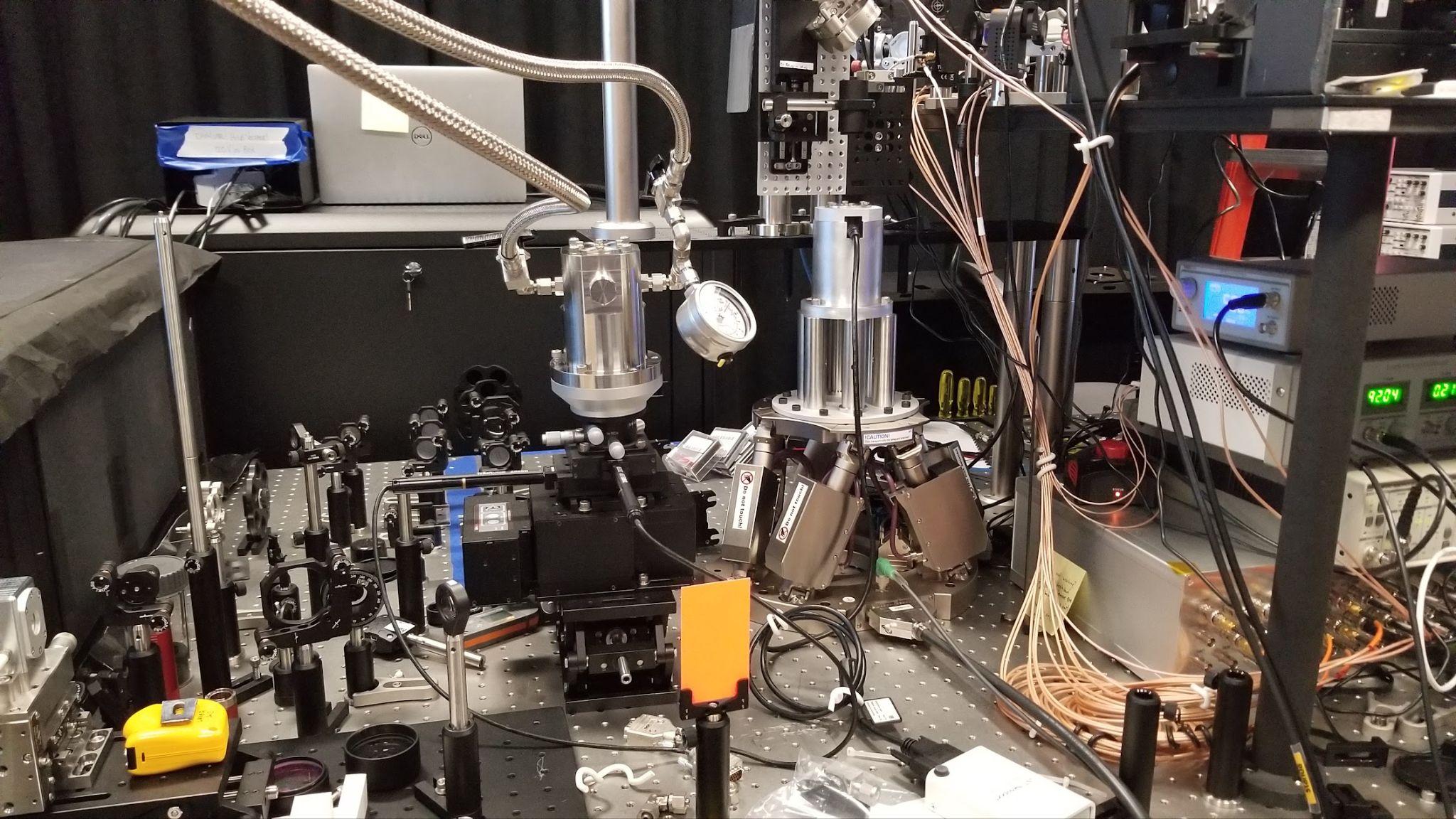
Callisto developed a family of ultrapressure, hydrogen-compatible pumps, valves, fittings, sensors, windows, and test cells that allowed zero-leak access from deep vacuum to 500 ksi and temperatures from liquid-nitrogen temperatures to 500 °C. These systems were designed for large volumes, high pressure, high reliability, and high cleanliness. The learning curve was difficult, as there was very little information on the performance of bulk materials exposed to hydrogen at pressures above 100 ksi. An entirely new catalog of fluid-control components had to be developed, manufactured, tested, integrated, and operated at a rapid cadence.


Optical systems
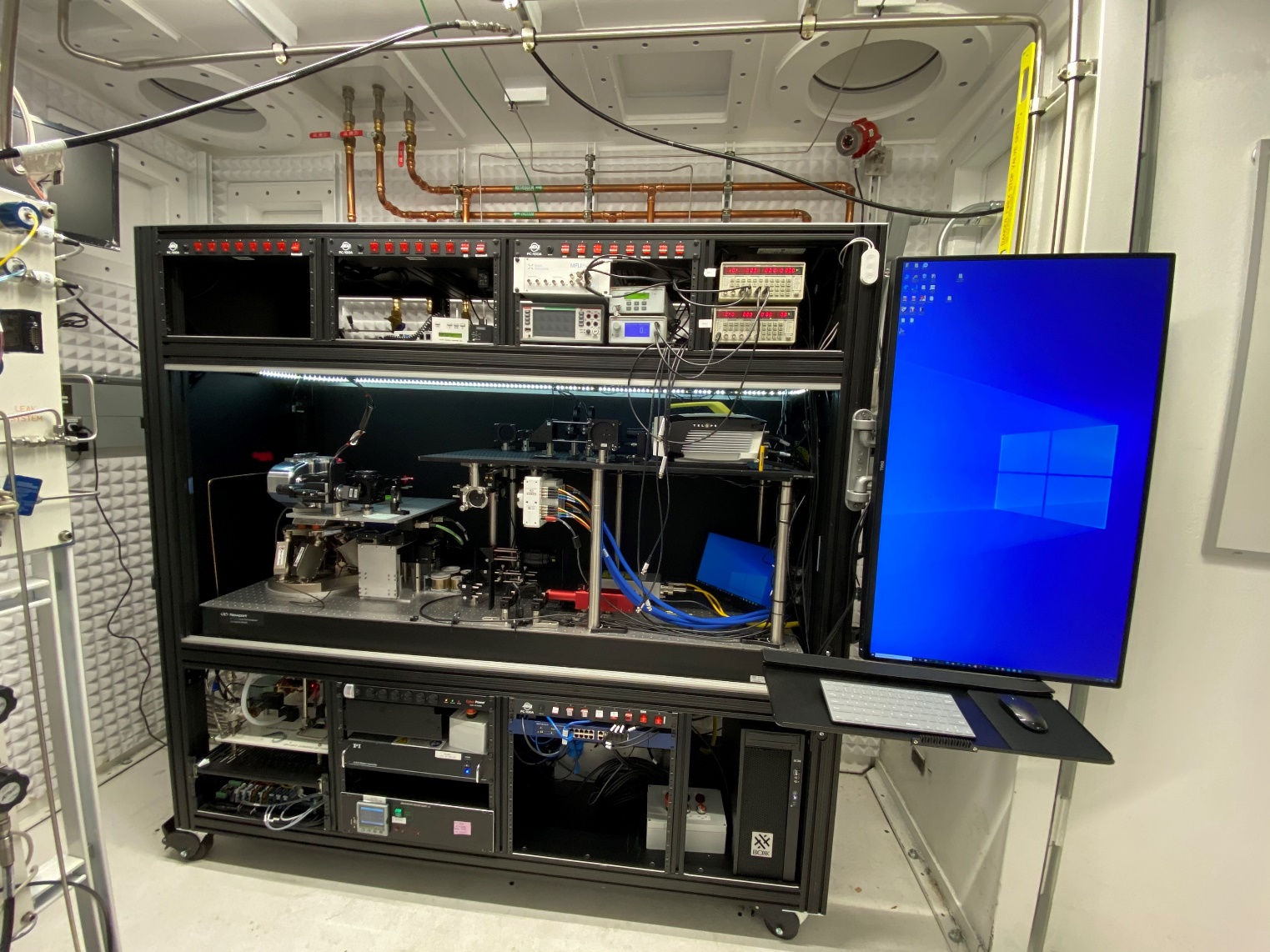
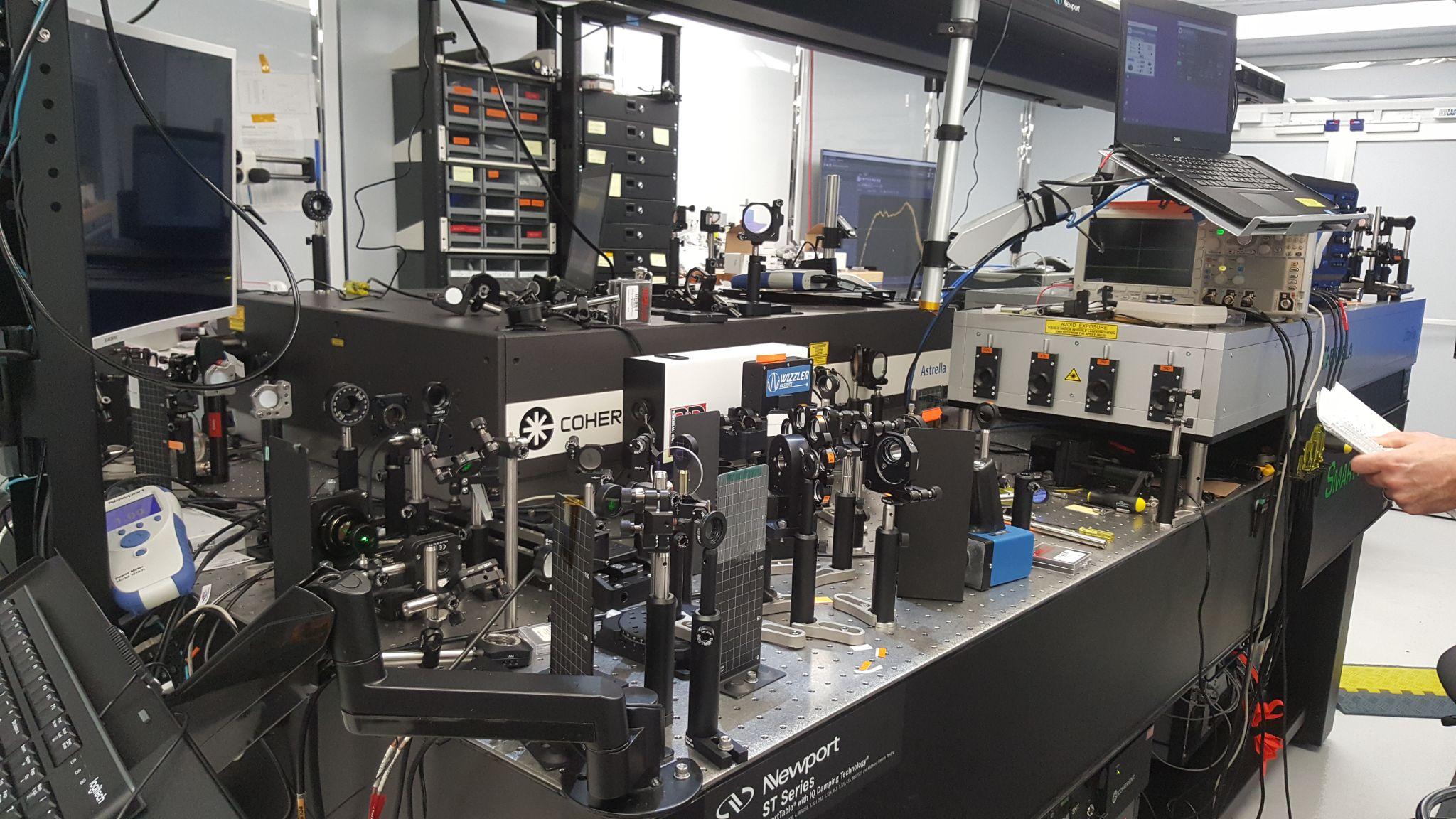
Callisto used multiple optical systems to measure and stimulate our samples. We operated several optics labs capable of creating high-power thermal pulses and ultrashort, ultrabright pulses on the fS timescale, as well as performing in-situ microscopy, thermoreflectance, terahertz analysis, and other experiments.
Material characterization and nanofabrication
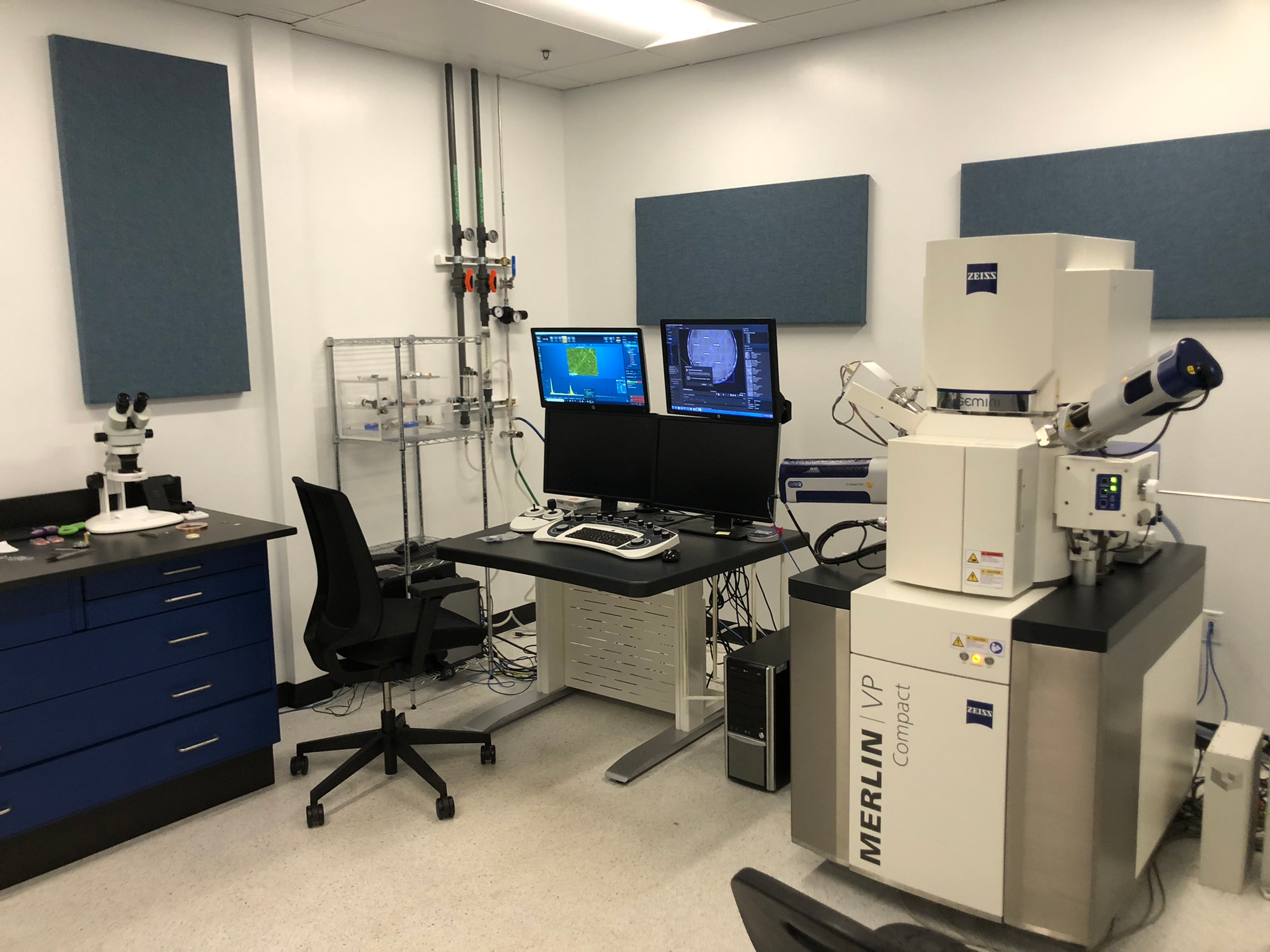
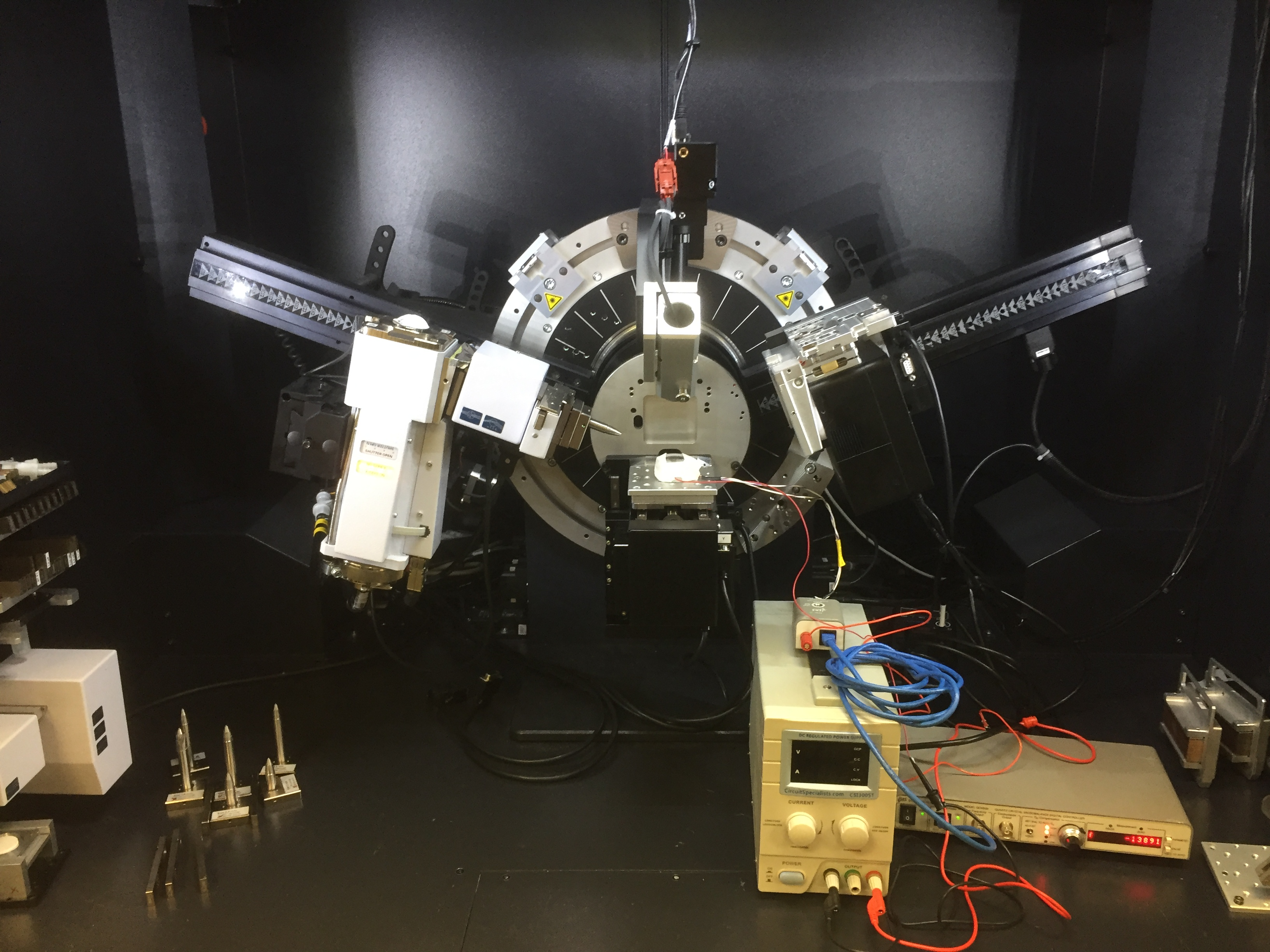
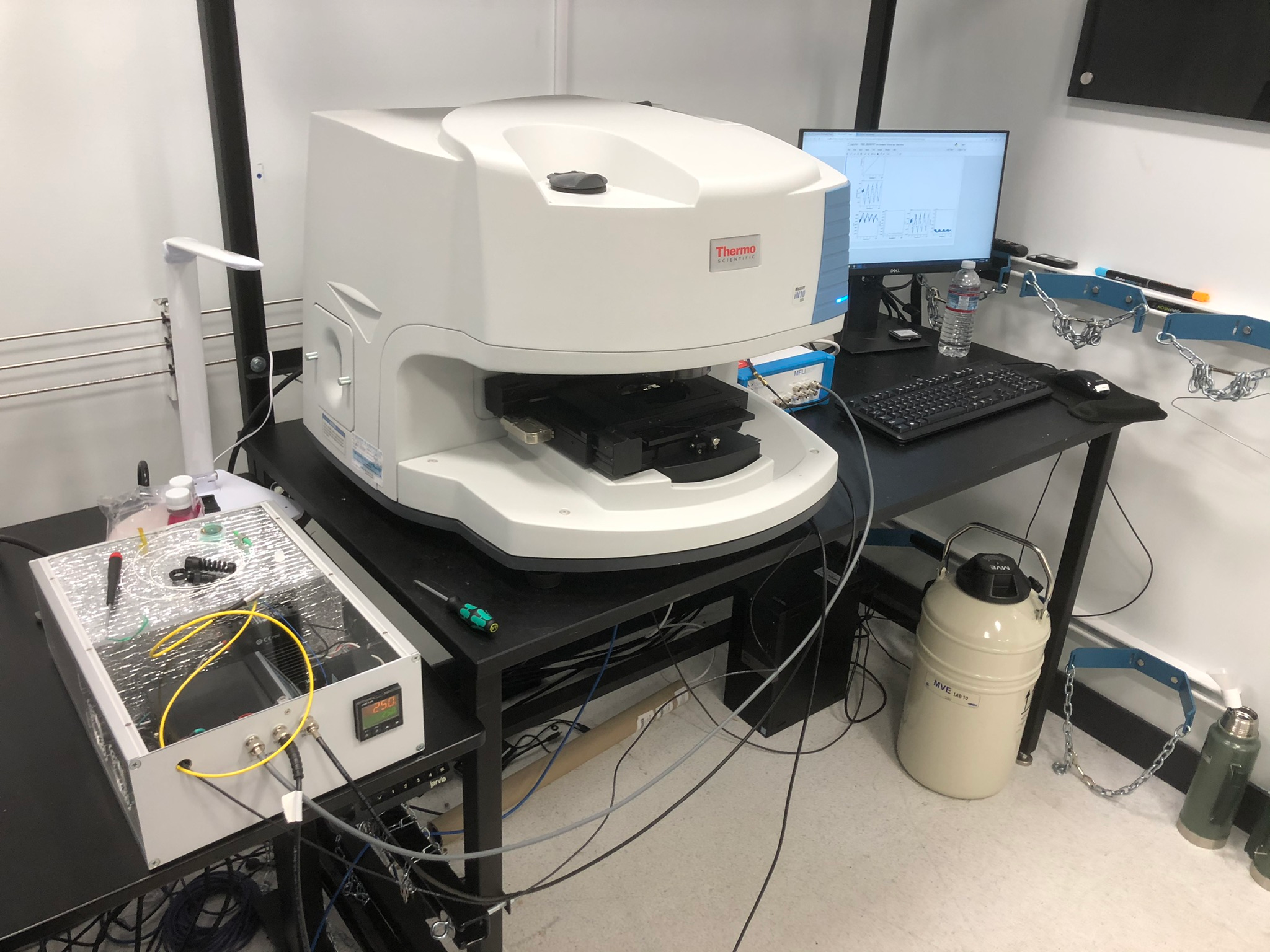
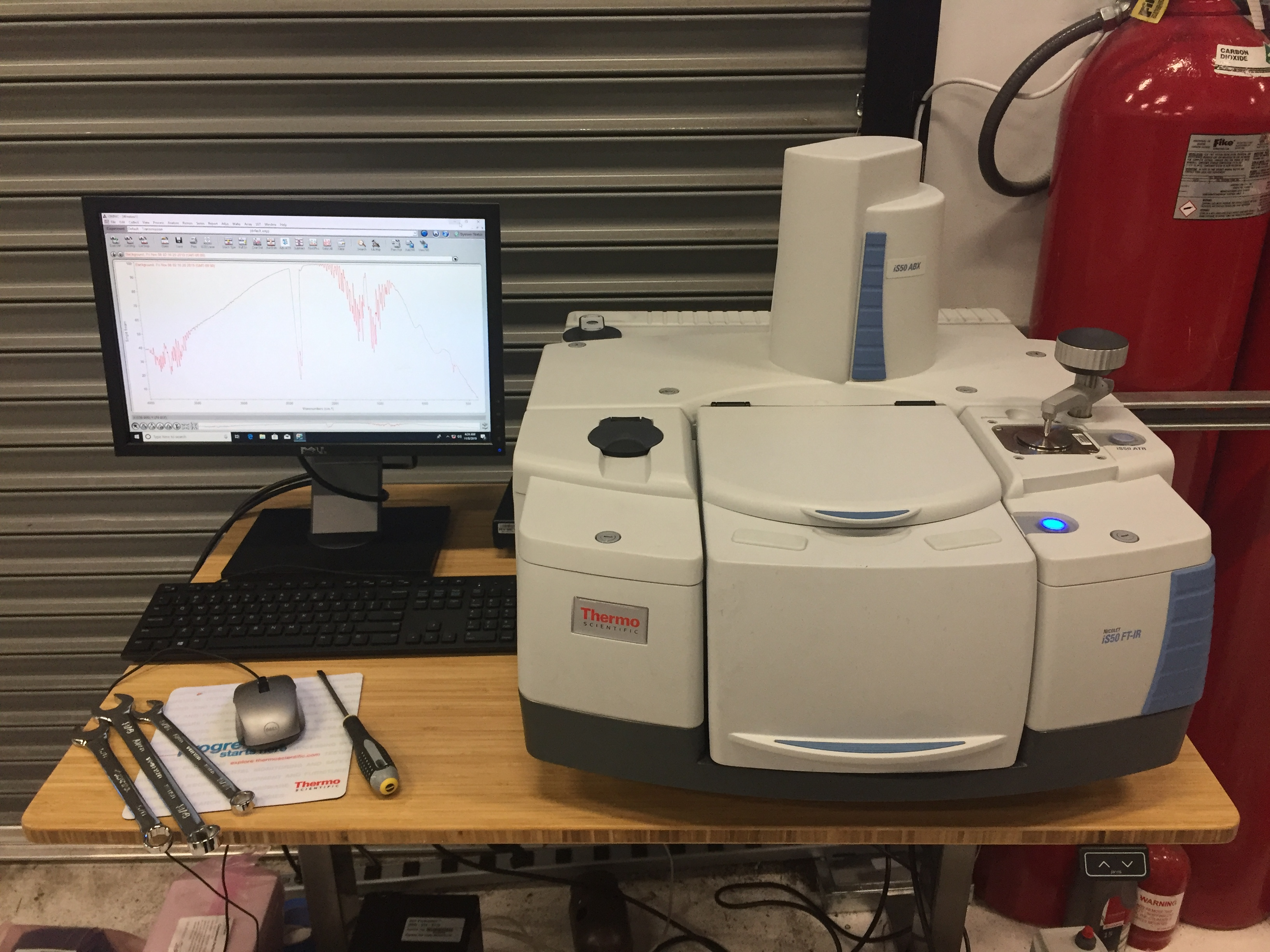
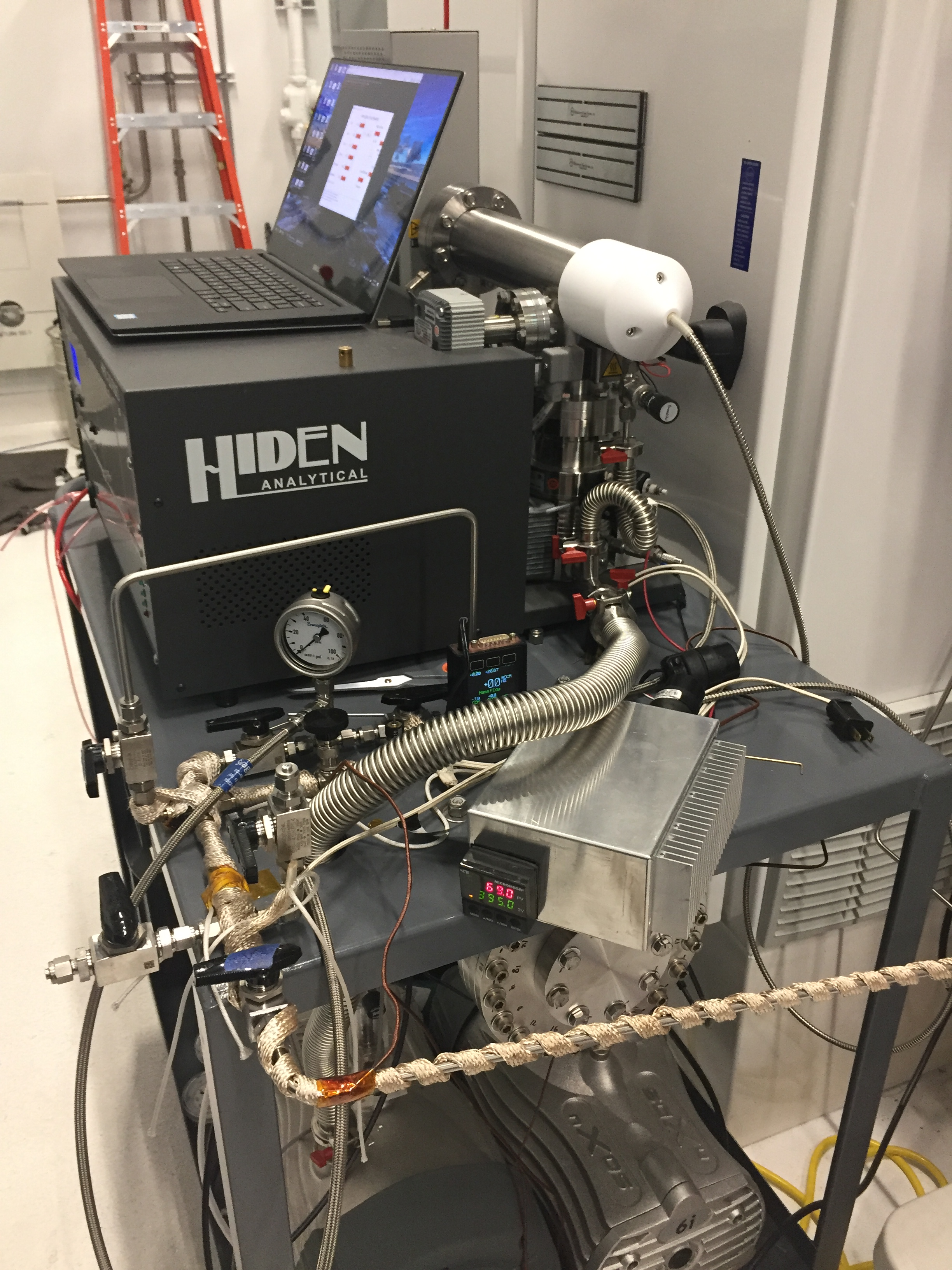
Our archaeological campaigns and general scientific work demanded a full complement of materials-science tools. Multiple scanning electron microscope/focused ion beam (SEM/FIB) systems, lithography tools, atomic force microscopes, Fourier-transform infrared (FTIR) spectrometers, X-ray diffraction instruments, and Raman spectrometers were installed across our facilities.
Safety systems and facilities
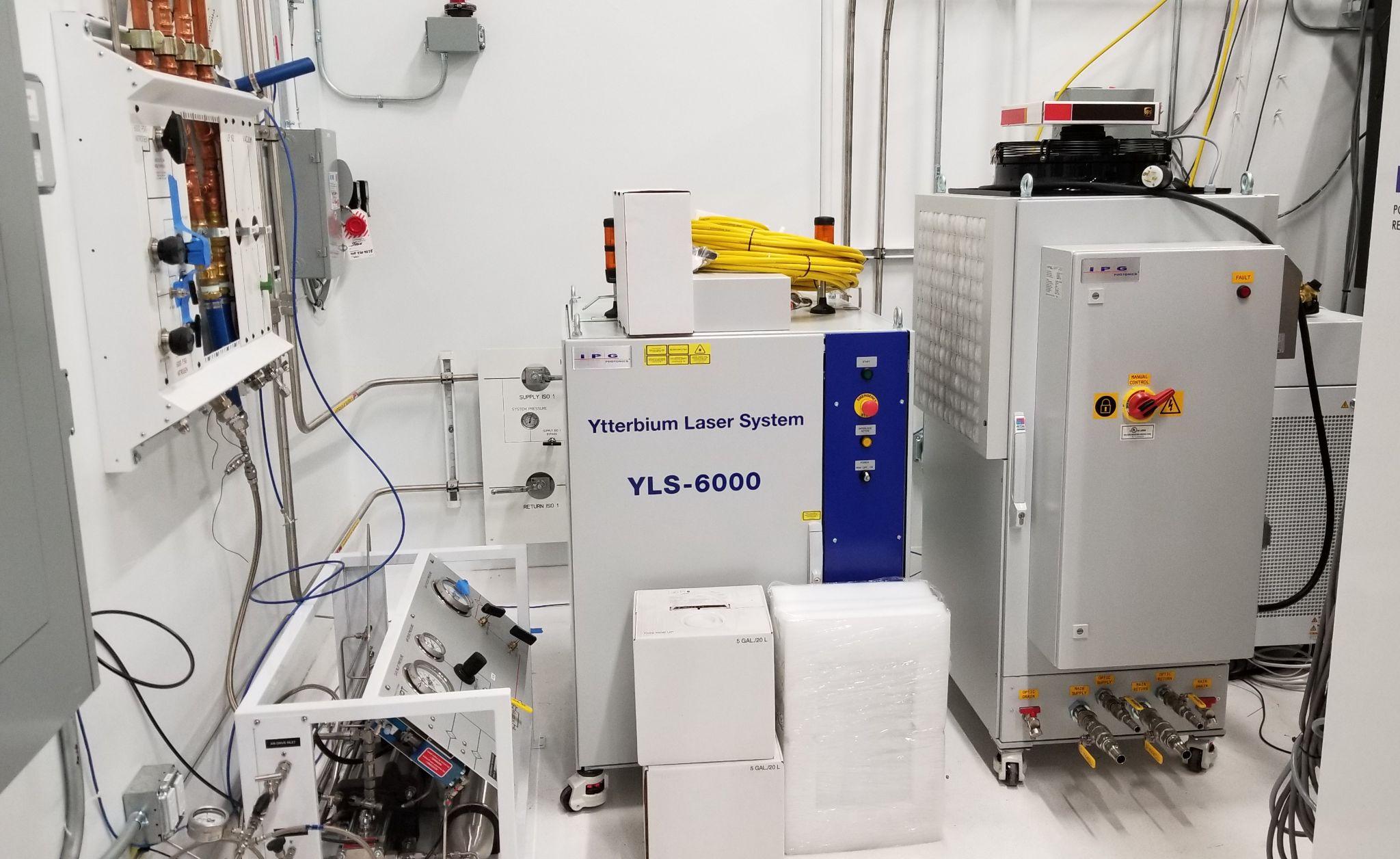
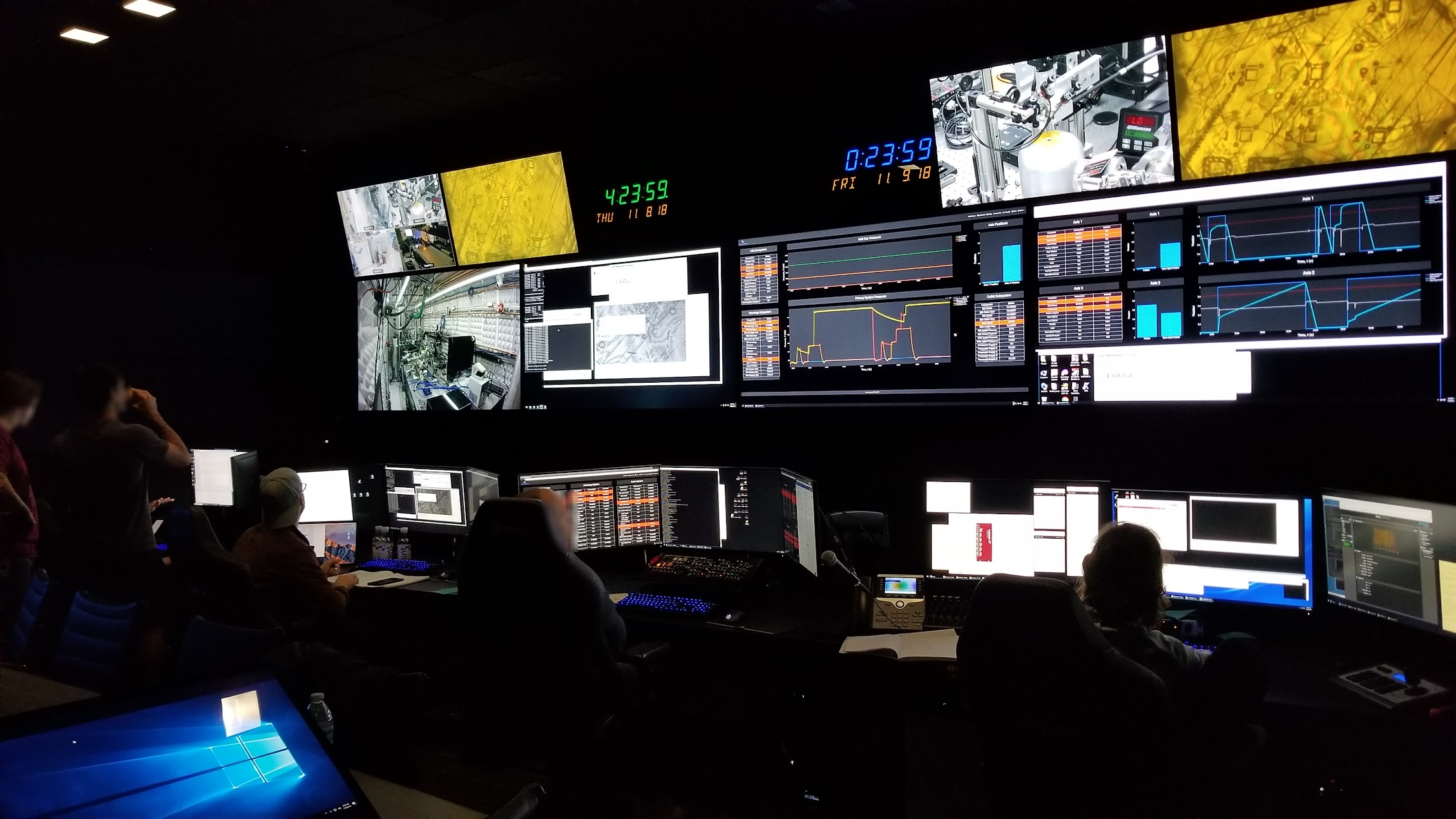
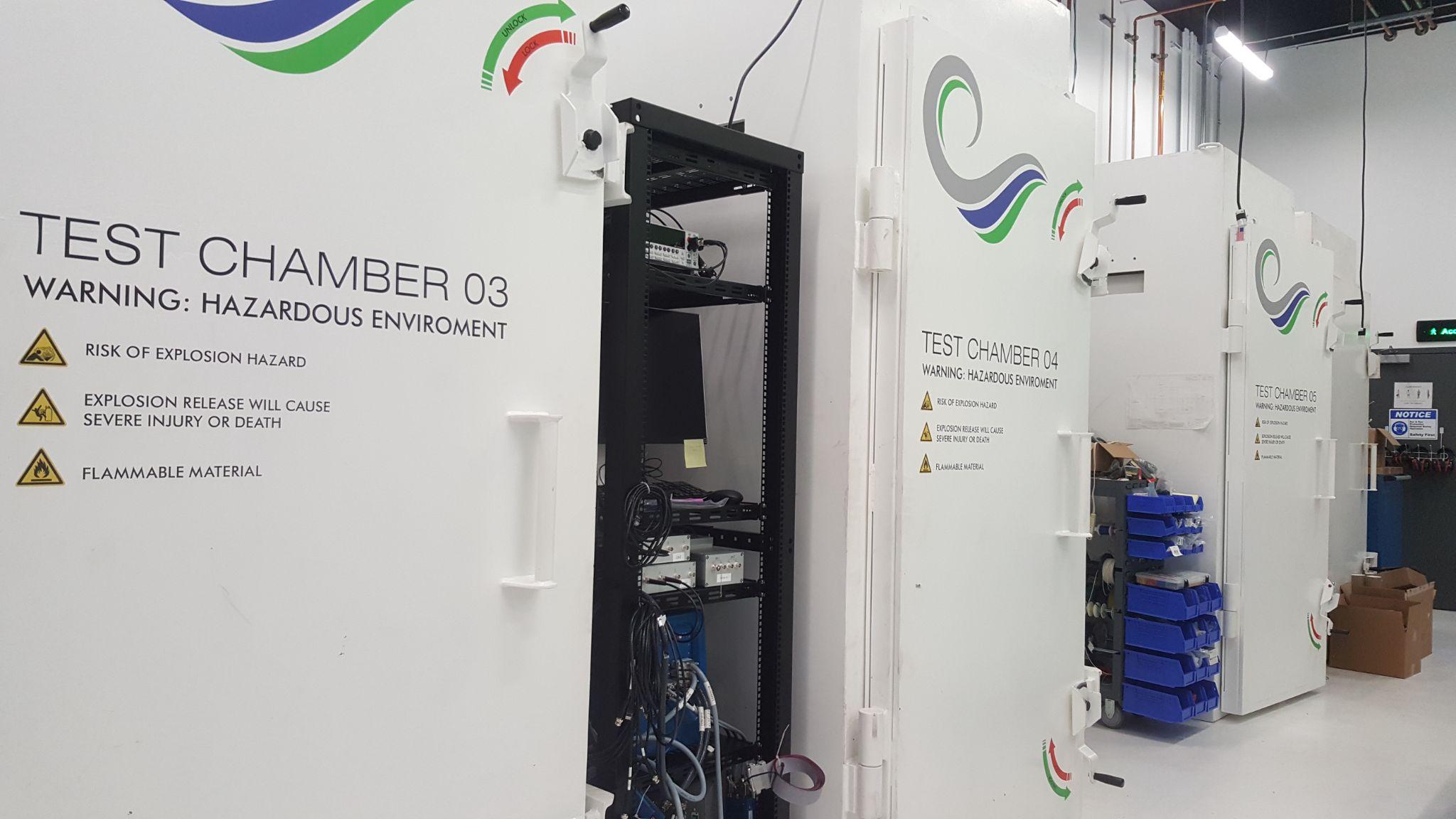
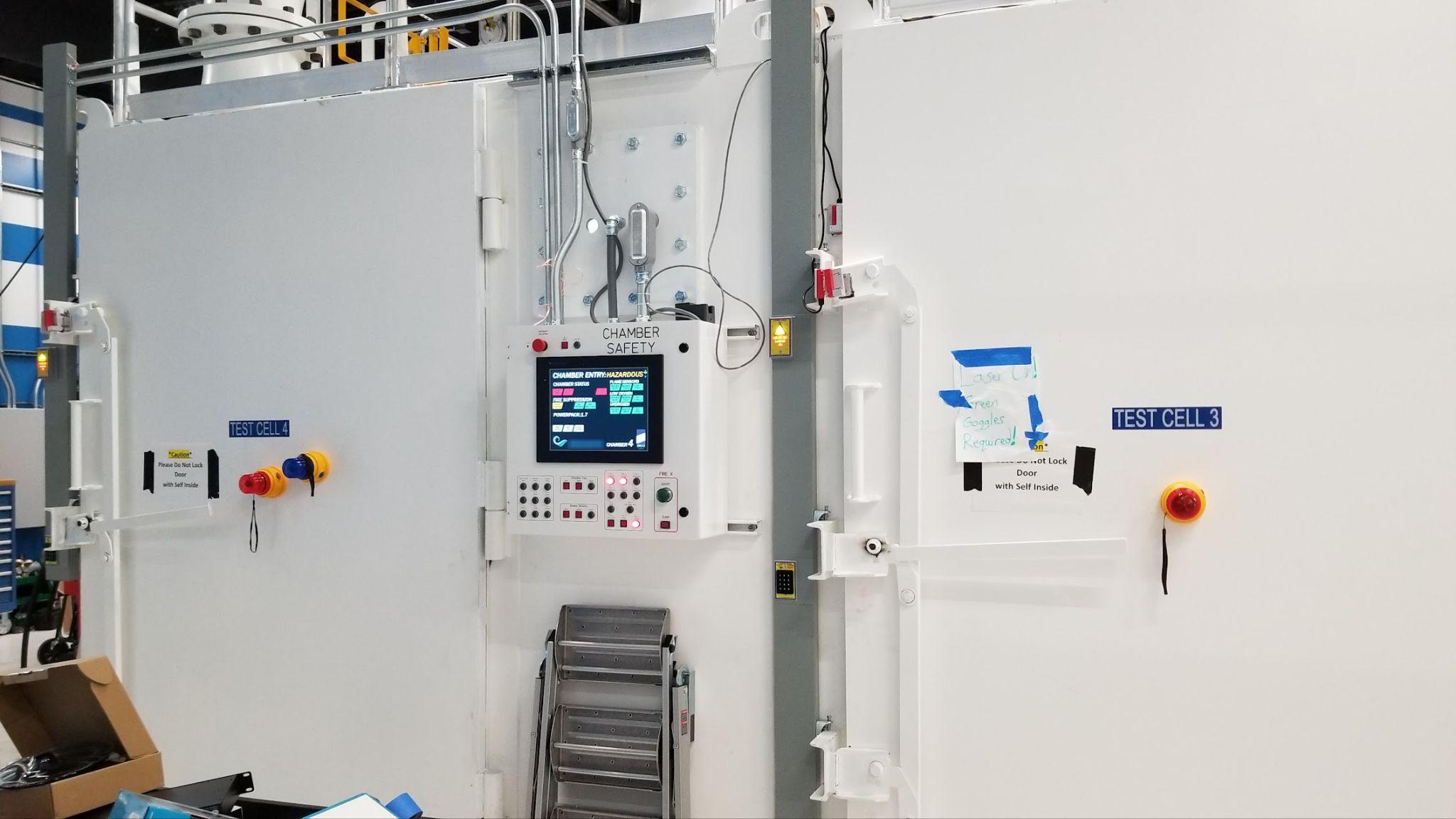
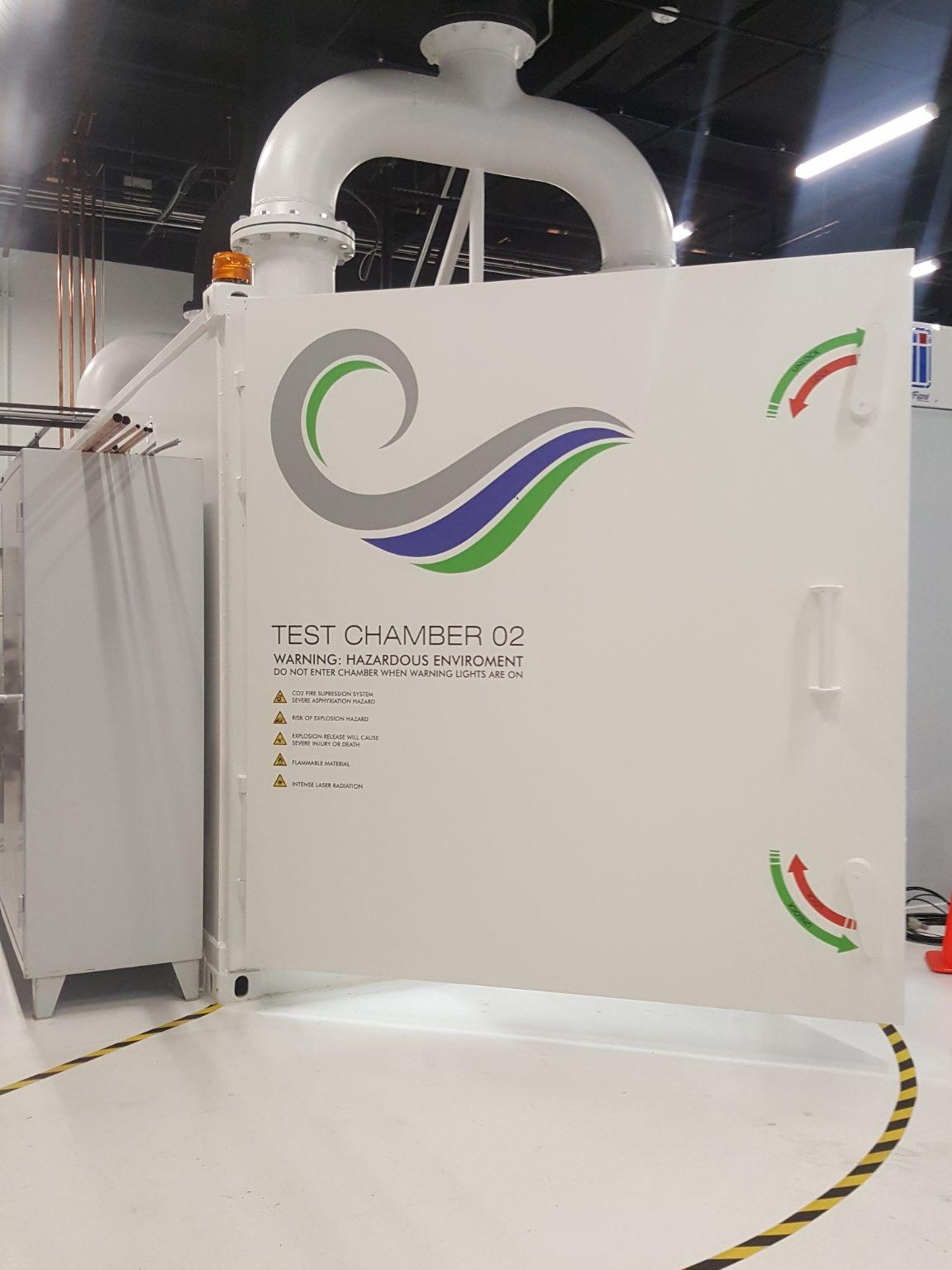
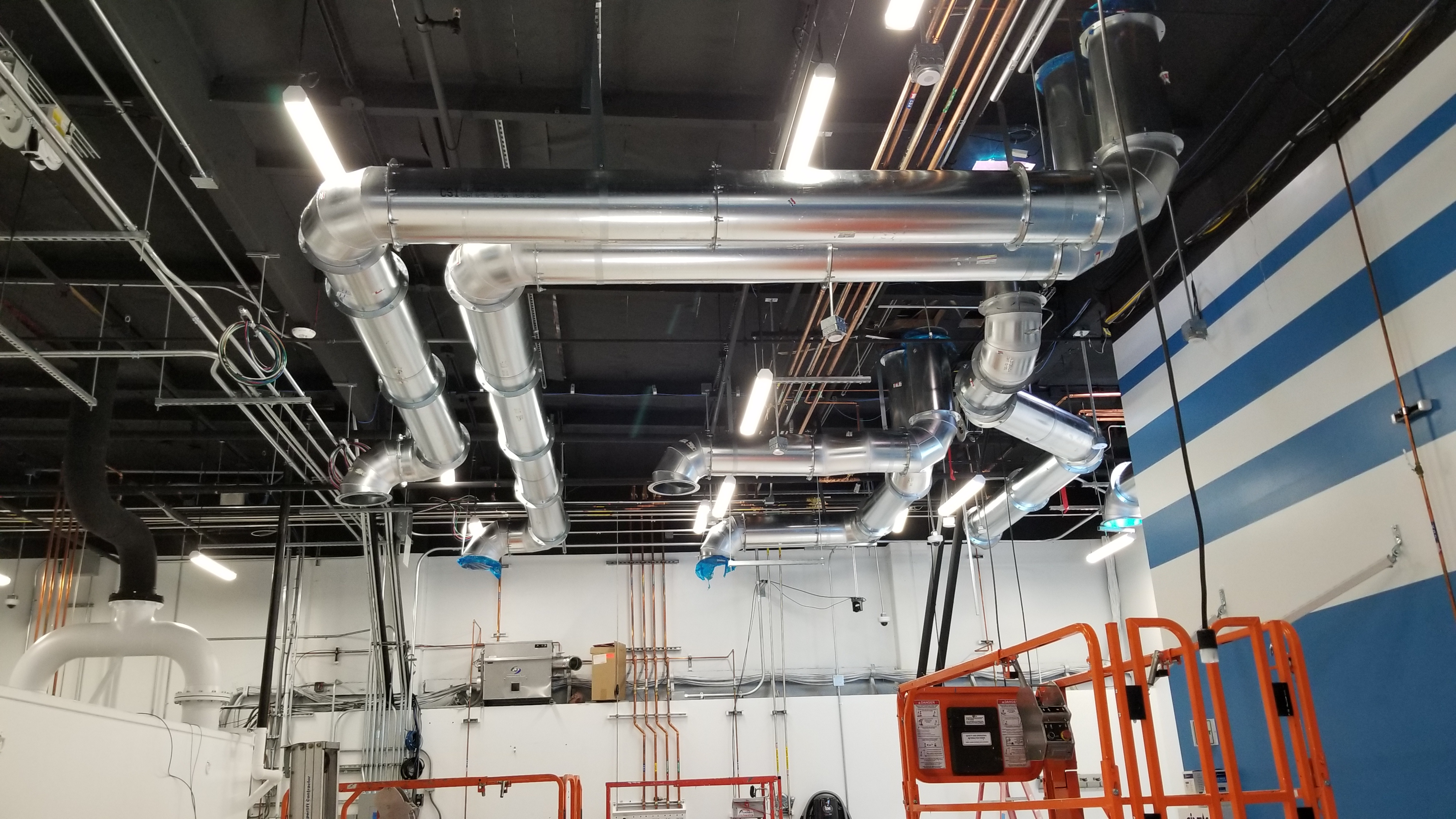
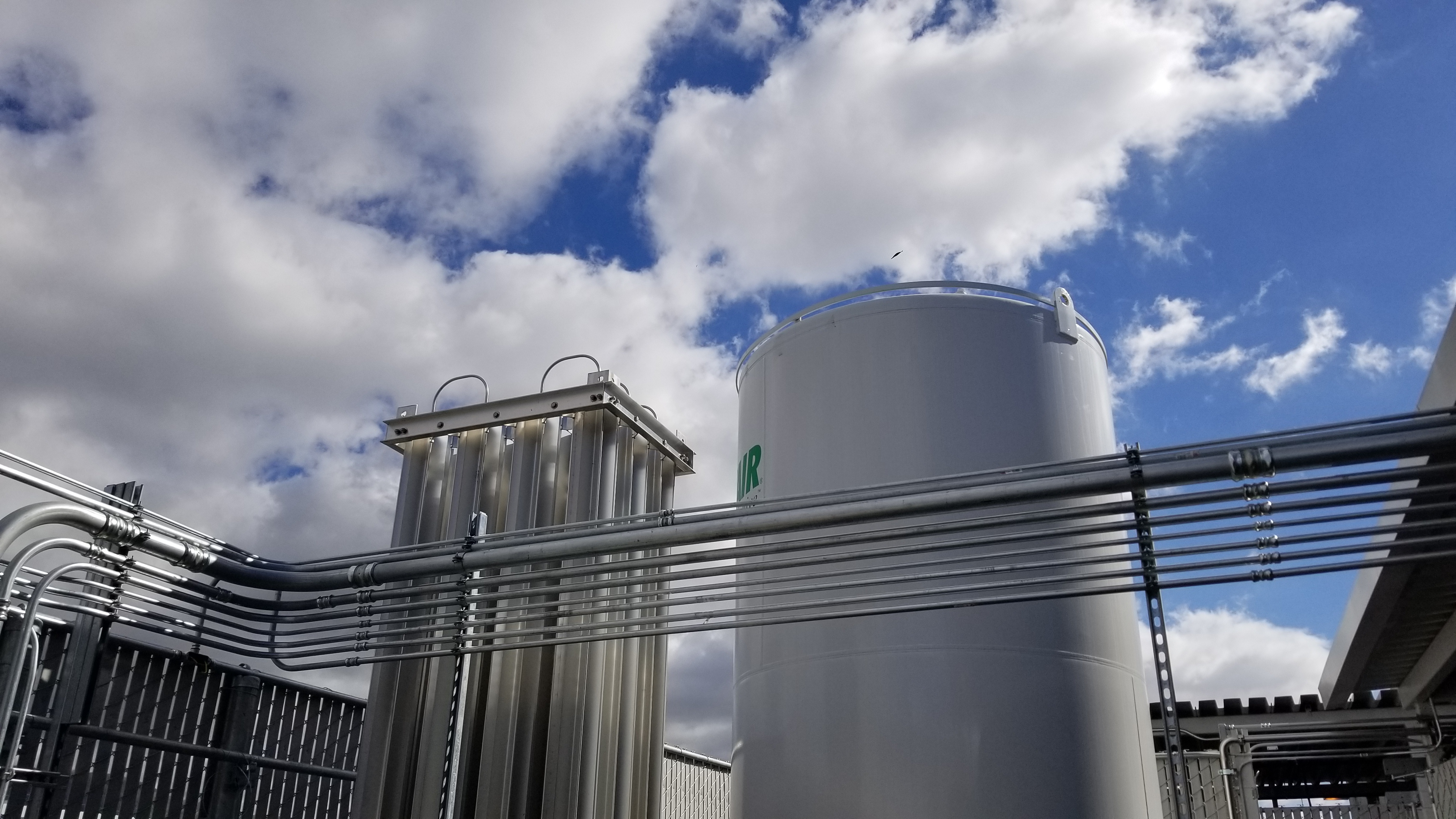
Callisto had one guiding rule above all others: safety. Because of the poorly explored ultrapressure hydrogen regime and the flammable byproducts of electrochemical systems, fully remote, protected operation of experiments was expected. We built multiple safety chambers designed to contain experimental failures, with sensing, detection, fire suppression, and lockout systems. High-pressure nitrogen, liquid nitrogen, clean dry air, purged vents, and fiber-optic connections could be routed to experimental stations.
Manufacturing
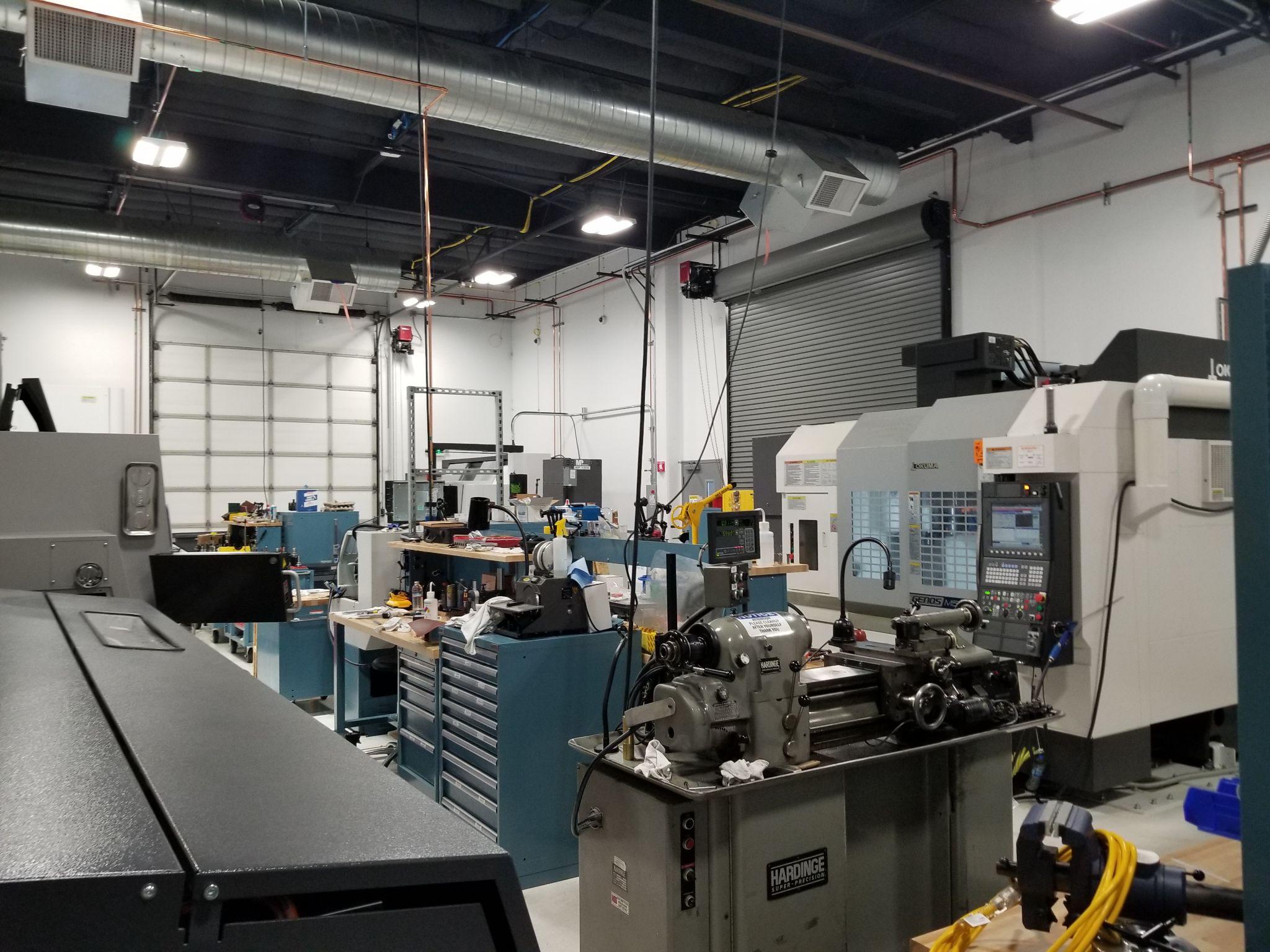
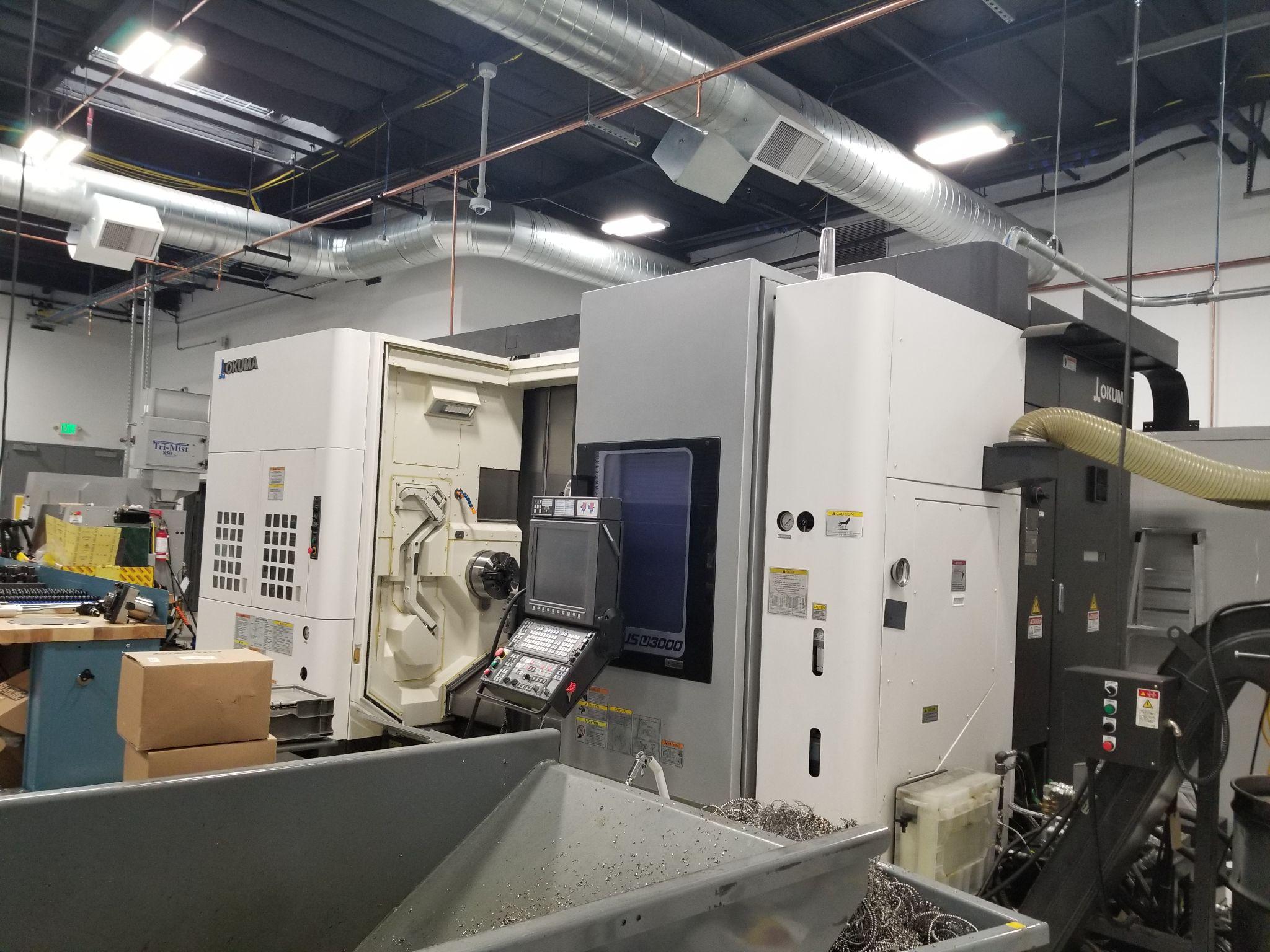
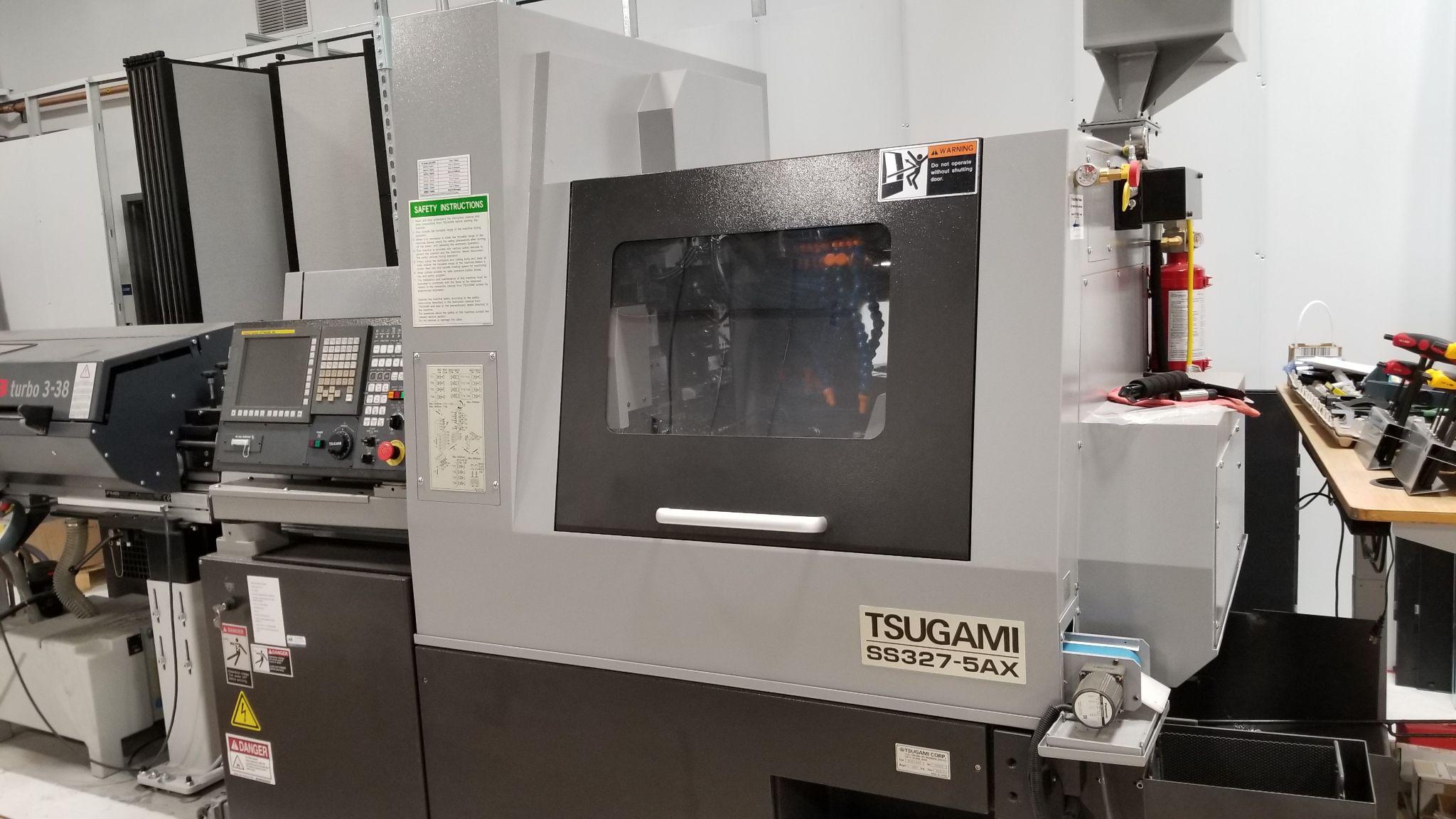
Callisto established a full manufacturing facility in 2019 to keep up with the demands of the experimental program. We brought advanced processes in-house, including multi-axis milling and turning, gun drilling, roller burnishing, electrical discharge machining, machining of pure precious metals and advanced alloys, and sapphire and carbide grinding.
Co-locating manufacturing was critical. Reaching record-setting hydrogen pressures at relatively large volumes required rapid iteration. During the hardware project above 300 ksi, the shop enabled more than 15 unique design iterations, produced thousands of match-fit parts, and completed hundreds of part modifications in about four months. At an outsourced cycle time of four to eight weeks per iteration, just this small part of the overall project would have taken an estimated five to ten years.
Operations
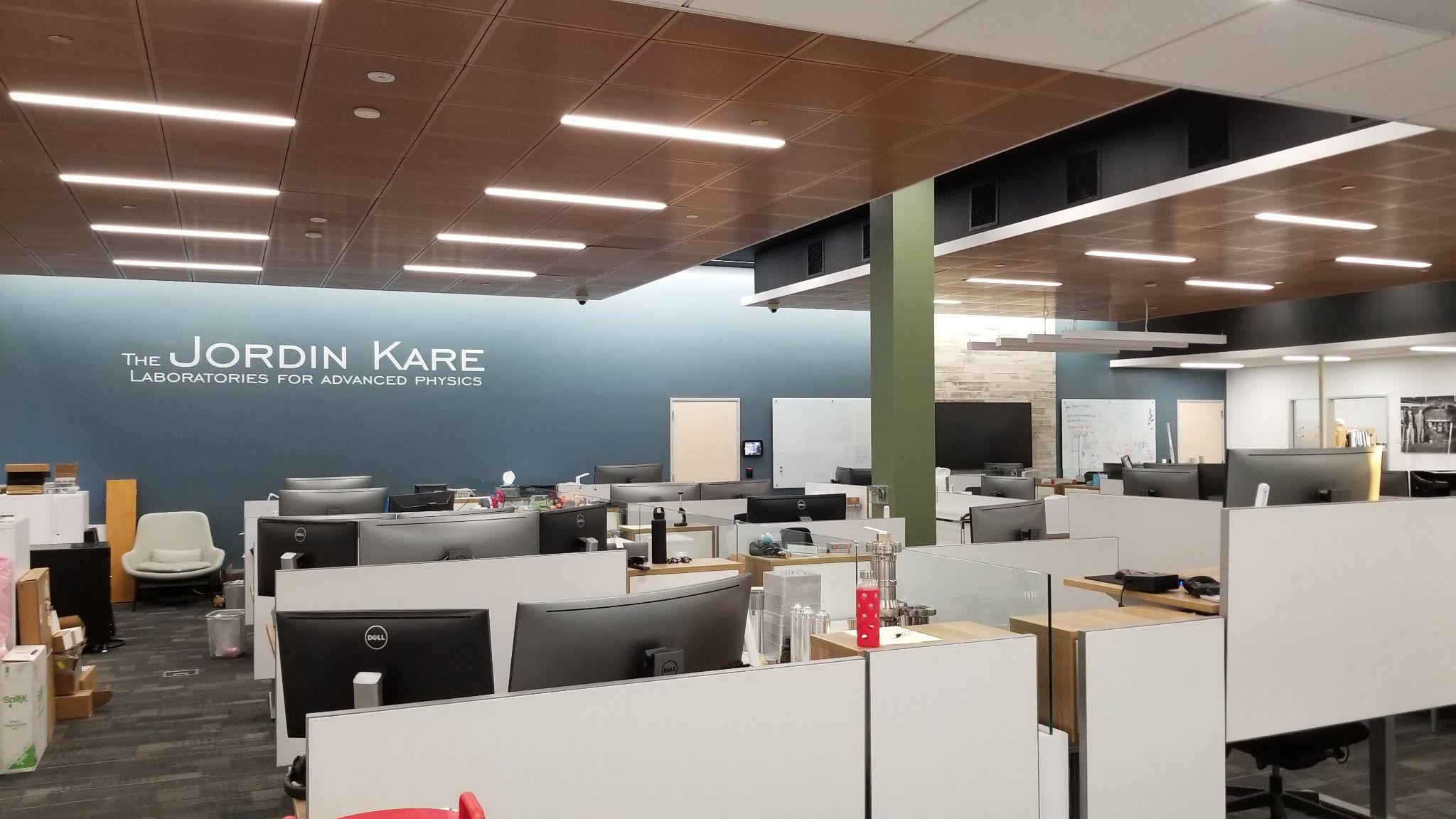
Callisto started from zero and required all the infrastructure of a hard-tech startup, with the added demands of hazardous experiments and strict confidentiality. Our operations team secured and managed facilities, handled leasing, accounting and purchasing, coordinated hazardous-materials training, and kept the laboratories supplied and running as the program grew.
Selected videos
Optical tool changer
Window failure
Failure was not uncommon in early experiments as the team learned how ultrapressure systems behaved with hydrogen. Here, seal extrusion caused the 150 ksi window of a deuterium cell to fail inside a remotely operated safety chamber.
CNC gun drilling
Rapid manufacturing was required to meet the experimental schedule. Here, Callisto’s seven-axis CNC turning center gun-drills the bore of a 150 ksi hydrogen compressor.
Inert gas window failure
An early test cell held inert gas at 100,000 psi during an in-situ microscopy run. A thick sapphire window failed because of a minor surface defect. The two views show the same event from different angles.
Powerpack burst
Our first-generation ultrapressure system, Powerpack 1, experienced a tube failure caused by hydrogen embrittlement, accelerated by tube torsion from conventional ultrapressure fittings. This failure led to the development of a bolted-flange, zero-torsion fitting family.
The complete technical record.
The reports document the apparatus, campaigns, controls, results, limitations, and final disposition of Project Callisto.
Gas Loading and Ultrapressure Experiments
Pressure systems, materials, stimulation campaigns, calorimetry, and diagnostics.
Full report (PDF)Read in browserAll chapters (ZIP)
Chapter by chapter
- Front matterRead in browser
- 1. BackgroundRead in browserpp. 1–12
- 2. Introduction to the CampaignsRead in browserpp. 13–16
- 3. [Section Omitted]Read in browserpp. 17–22
- 4. LoadingRead in browserpp. 23–72
- 5. Thermal IgnitionRead in browserpp. 73–89
- 6. StaringRead in browserpp. 90–123
- 7. ChipsRead in browserpp. 124–164
- 8. Ultra-Short PulseRead in browserpp. 165–195
- 9. TerahertzRead in browserpp. 196–204
- 10. High-Pressure ElectrochemistryRead in browserpp. 205–218
- 11. ReplicationsRead in browserpp. 219–253
- 12. CalorimetryRead in browserpp. 254–285
- 13. Physical ArchaeologyRead in browserpp. 286–304
- 14. Magnetic ArchaeologyRead in browserpp. 305–338
- 15. SeismologyRead in browserpp. 339–361
- 16. Nuclear DetectionRead in browserpp. 362–368
- 17. ConclusionsRead in browserpp. 369–377
- 18. RecommendationsRead in browserp. 378
- 19. AppreciationRead in browserp. 379
Electrochemical Replication and Calorimetry
Electrochemical methods, closed-cell calorimetry, controls, and more than 500 experimental variants.
Summary (PDF)Read in browserFull report (PDF)Read in browserAll chapters (ZIP)
Chapter by chapter
- Front matterRead in browser
- 1. IntroductionRead in browserpp. 7–19
- 2. Calorimetry MethodsRead in browserpp. 20–46
- 3. Loading MeasurementsRead in browserpp. 47–72
- 4. DFTRead in browserpp. 73–86
- 5. Surface Preparation MethodsRead in browserpp. 87–89
- 6. Conditions Reportedly Amenable to AHERead in browserpp. 90–98
- 7. ReplicationsRead in browserpp. 99–160
- 8. Novel ExperimentsRead in browserpp. 161–184
- 9. ConclusionsRead in browserpp. 185–189
- GlossaryRead in browserp. 190
- BibliographyRead in browserpp. 191–211
- Appendix ARead in browserpp. 212–225
Contributors
This work depended on the scientists, engineers, fabricators, operators, analysts, technicians, and support staff who sustained the program. Some participants may remain unnamed at their request.
- Kenneth Ainslie
- Melanie Alvord
- Nahlah Anderson
- Phi Blankenfeld
- Kurt Cabrera
- Robert Cheatham
- Michael Clive
- Martin Cowell
- Nick Davis
- Steven Drapcho
- Kevin Early
- Nancy Fadrilan
- Russ Faultner
- Zachary Fenton
- Bryan Gambacciani
- Kuanping Gong
- Robert Gralton
- William Gray
- Mina Hanna
- Ben Harper
- Bret Hawkins
- Braden Henderson
- Michael Hovish
- Tiffany Huang
- Muriel Ishikawa
- Joseph Jerabek
- Christopher Kelley
- Targe Loyd
- Ian McKay
- Chris McKellar
- Michael McNabb
- Todd Meaney
- Beatrice Pak-Lin
- Jerome Pons
- Kabian Ritter
- Jorge Sandoval
- Andrew Saucedo
- Matthew Shaner
- Allen Shi
- Sogol Teschler
- Bradford Thorne
- John Tomko
- David Tuckerman
- Andrew Vella
- Scott Williams
- Jacob Wise
- Lowell Wood
- Victoria Wood
- Alan Yamamoto
- Shannon Yee
- Gabriel Zepeda
- Lisa Zhou
- ██████████
- ███████████████
- ███████████████
- ████████████████
- ██████████████████
- ██████████████
- ██████████████
- █████████████████
- ██████████████
- █████████████
- █████████
- ███████████
- ████████████████
- ██████████████
- █████████████████
- █████████████████
- ███████████
- ████████████████
- ████████████████
- █████████████████
- ████████████
- █████████
- ███████████████
- ████████████
- ██████████████
- ████████████
- ████████████
- █████████████████
- ████████████
- ██████████████
- ██████████████████
- ████████████████
- █████████
- ████████████████
- █████████
- ███████████████
- ██████████████
- ██████████
- ███████████
- ████████████████
- ██████████
- █████████
- ████████████████
- ████████████████
- █████████
Contributors are listed alphabetically by surname. Some contributors have chosen to remain anonymous.
Special thanks to Michael Clive, David Tuckerman, Michael Hovish and Ian McKay for pushing the publication of this report long after the project concluded.

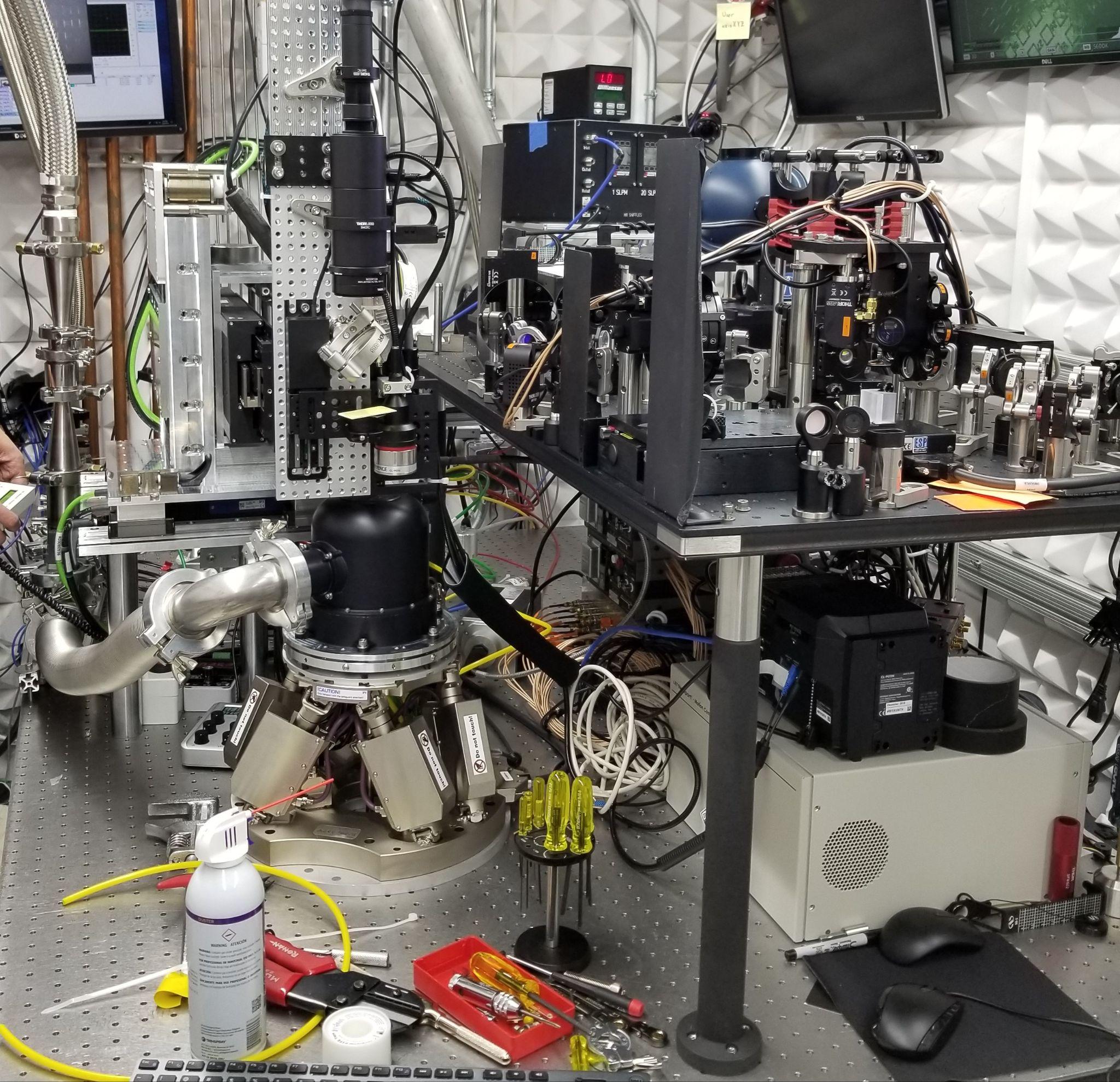
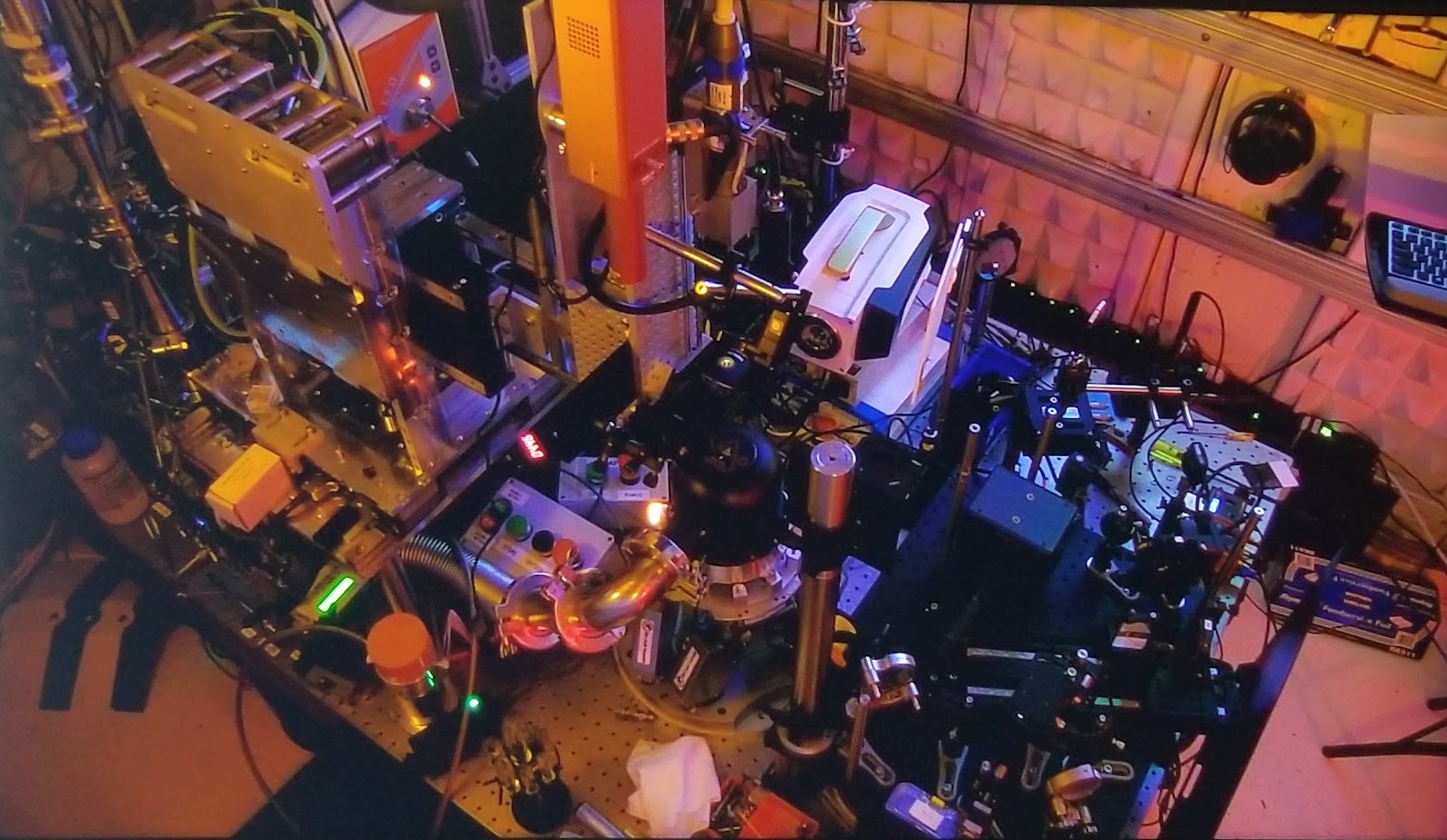
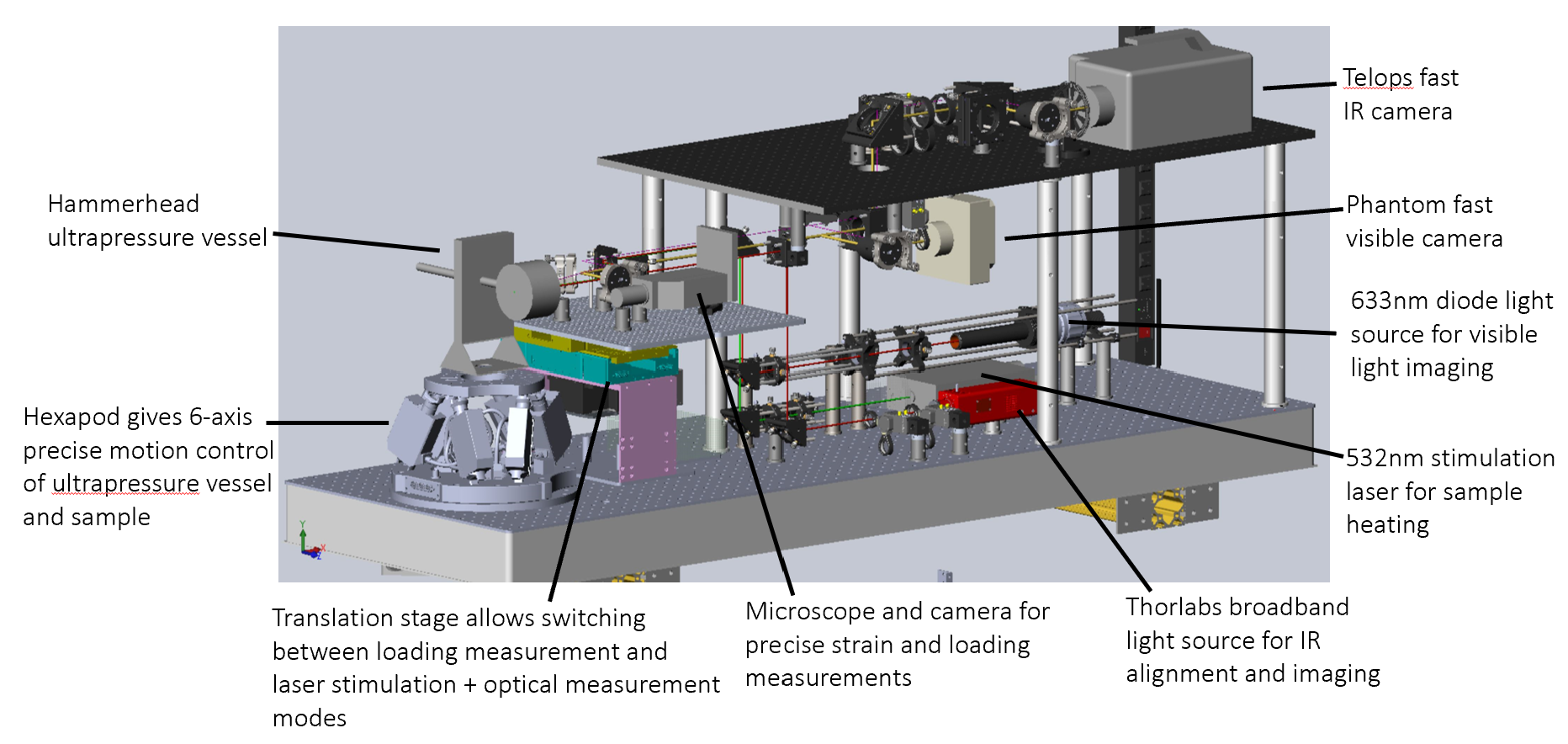
Because the experiments were hazardous, the team developed fully automated, remotely operated installations. This optical tool changer gave four measurement systems access to the PdD sample at ultrapressure and high temperature, with submicron positioning precision.